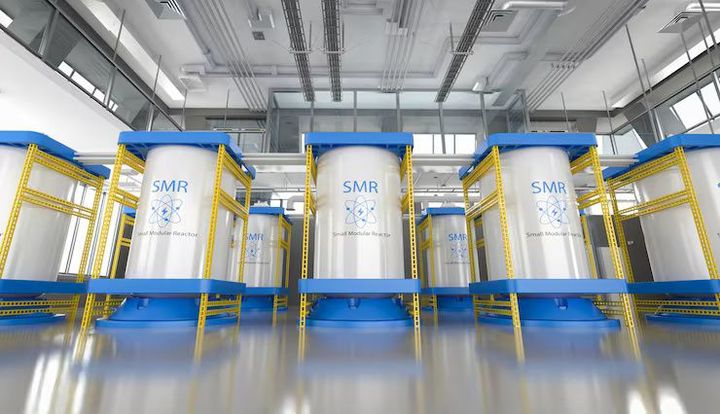
Industrial storage tank design varies depending on material type, operating pressure, temperature conditions, and regulatory requirements. Tanks may be installed above ground or underground and can be constructed from steel, stainless steel, fiberglass-reinforced plastic (FRP), or concrete.
The need for structured storage tank capacity planning arises because improper sizing or poor design can result in operational inefficiencies, safety hazards, and regulatory non-compliance. Industries must calculate volume requirements carefully to align with production rates, supply chain logistics, and safety buffers.
Bulk liquid storage systems are particularly important in sectors handling fuels, chemicals, edible oils, and water. As industrial output increases in India, demand for reliable and compliant storage tank solutions continues to grow.
Importance
Industrial storage tanks are essential for operational continuity and regulatory compliance. Without proper storage systems, manufacturing units may face supply disruptions, safety risks, and environmental challenges.
Capacity planning is important because it determines:
-
How much material can be stored safely
-
Whether emergency reserves are sufficient
-
How production schedules align with storage limits
-
Whether infrastructure supports expansion plans
Industries that rely heavily on storage tank systems include:
-
Oil and gas refineries
-
Chemical manufacturing plants
-
Pharmaceutical facilities
-
Food and beverage processing units
-
Water treatment and municipal utilities
Proper storage tank capacity planning helps address key challenges:
-
Preventing overflow incidents
-
Reducing environmental contamination risk
-
Avoiding material shortages during peak demand
-
Supporting compliance standards India mandates
The table below outlines common industrial storage tank types and typical applications:
| Tank Type | Common Application | Key Feature |
|---|
| Fixed Roof Tanks | Fuel and chemical storage | Suitable for low-pressure liquids |
| Floating Roof Tanks | Petroleum storage | Reduces vapor emissions |
| Vertical Cylindrical Tanks | Bulk liquid storage systems | Efficient space utilization |
| Horizontal Tanks | Smaller capacity industrial use | Easier transport and installation |
| Underground Tanks | Hazardous material storage | Space-saving and protected location |
Selecting the appropriate tank type depends on storage volume, material properties, and environmental conditions.
Recent Updates
In 2025 and early 2026, several developments have influenced industrial storage tank design and management.
One significant trend is the integration of digital monitoring systems. Smart sensors now track:
-
Liquid levels
-
Temperature changes
-
Pressure conditions
-
Leak detection alerts
These systems improve safety and operational transparency by enabling real-time monitoring.
Another development is the increased focus on corrosion-resistant materials. Advances in coating technology and composite materials have improved durability in harsh chemical environments. This extends tank lifespan and reduces maintenance frequency.
Environmental sustainability has also gained importance. Many facilities are upgrading secondary containment systems and vapor recovery units to reduce emissions and prevent soil or groundwater contamination.
The table below summarizes recent advancements:
| Innovation Area | Description | Operational Benefit |
|---|
| Digital Monitoring | IoT-based level and pressure sensors | Improved safety oversight |
| Advanced Coatings | Corrosion-resistant linings | Longer service life |
| Leak Detection Systems | Automated alert mechanisms | Faster risk response |
| Vapor Recovery Technology | Emission control improvements | Environmental protection |
These updates reflect growing emphasis on compliance, sustainability, and automation within industrial operations.
Laws or Policies
Industrial storage tanks in India are subject to multiple regulatory frameworks to ensure safety and environmental protection.
The Petroleum Act, 1934 and related rules regulate storage of petroleum products, including tank construction standards and safety distances.
The Environment (Protection) Act, 1986 establishes broad environmental safeguards, including requirements for preventing soil and water contamination from industrial storage systems.
The Central Pollution Control Board (CPCB) provides guidelines for hazardous material storage and secondary containment systems. Industries handling chemicals must ensure spill prevention and emergency preparedness measures.
Additionally, compliance standards India enforces may reference international codes such as:
-
API (American Petroleum Institute) standards for tank design and inspection
-
BIS (Bureau of Indian Standards) specifications for material quality
-
OISD (Oil Industry Safety Directorate) guidelines for petroleum installations
The Factories Act, 1948 also applies to storage infrastructure within manufacturing premises, focusing on worker safety and risk management.
Non-compliance can result in operational restrictions, penalties, or environmental liability. Therefore, regulatory review is a critical part of storage tank capacity planning.
Tools and Resources
Effective management of industrial storage tanks requires technical planning tools and operational resources.
Common planning tools include:
-
Volume calculation spreadsheets
-
Tank sizing calculators
-
CAD software for industrial tank design
-
Risk assessment templates
-
Inspection and maintenance logs
Digital systems used in modern facilities:
-
SCADA systems for remote monitoring
-
Level sensors and automated alarms
-
Maintenance management software
-
Compliance documentation platforms
The table below outlines essential tools for capacity planning:
| Tool Category | Purpose |
|---|
| Tank Volume Calculator | Determine storage capacity requirements |
| CAD Design Software | Create structural tank drawings |
| Inspection Checklist | Ensure regulatory compliance |
| Leak Detection Sensors | Monitor containment integrity |
| Maintenance Log System | Track inspection schedules |
Routine inspection programs are important for structural integrity assessment. These programs often include thickness testing, corrosion analysis, and pressure checks.
Accurate documentation helps demonstrate adherence to compliance standards India mandates and supports audit readiness.
FAQs
What factors determine industrial storage tank capacity?
Capacity depends on production volume, material turnover rate, safety reserve requirements, and regulatory guidelines.
Are underground tanks safer than above-ground tanks?
Safety depends on design, installation quality, and monitoring systems. Underground tanks save space but require strict leak detection measures.
How often should storage tanks be inspected?
Inspection frequency varies by industry and regulation. High-risk materials typically require more frequent structural and safety checks.
What materials are commonly used for industrial tank construction?
Steel, stainless steel, fiberglass-reinforced plastic, and reinforced concrete are common materials depending on stored substances.
Do storage tanks require environmental clearance?
In many cases, yes. Facilities handling hazardous or petroleum products may need approvals under environmental and petroleum regulations.
Conclusion
Industrial storage tanks are a foundational element of manufacturing infrastructure and bulk liquid storage systems. Proper storage tank capacity planning ensures operational efficiency, environmental protection, and regulatory compliance.
Recent advancements in digital monitoring, corrosion-resistant materials, and emission control technologies reflect the modernization of industrial storage practices. At the same time, adherence to compliance standards India enforces remains essential for safe and responsible operation.
By combining structured design methods, appropriate monitoring tools, and regulatory awareness, industries can manage storage systems effectively while supporting long-term operational stability.