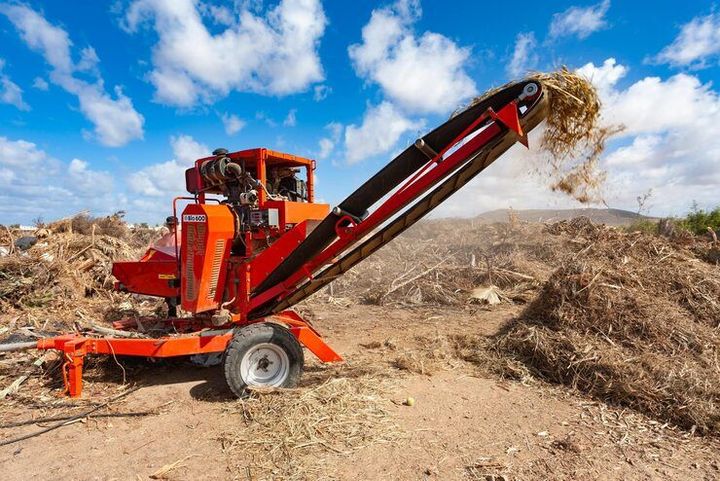
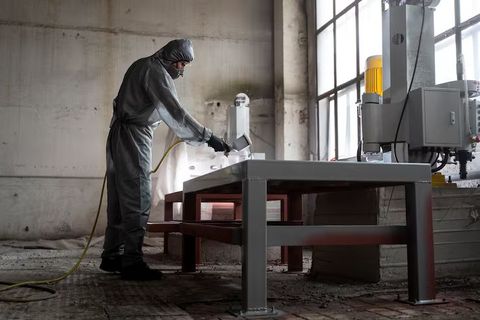
The crushing mechanism in such equipment is based on applying mechanical force to material, causing it to fracture along structural weaknesses. Depending on the model and configuration, crushing may occur through compression, impact, or shear forces.
In workshop environments, metal crushing machines are often used to reduce scrap metal, defective components, or oversized materials into smaller pieces for recycling or further processing. The need for such systems arises from material handling efficiency, space management, and downstream manufacturing requirements.
Arboga-branded machinery has historically been associated with durable workshop equipment, particularly in European industrial contexts. Crushers under this category are typically built for reliability, compact installation, and controlled operation within workshop or light industrial settings.
Importance
Industrial crushing equipment plays an important role in material management and processing efficiency. By reducing material size, crushers improve transport, storage, and secondary processing operations.
Industries that benefit from crushing systems include:
-
Metal fabrication workshops
-
Recycling facilities
-
Manufacturing plants
-
Automotive repair and dismantling units
-
Engineering training institutes
Key operational benefits of metal crushing machines:
-
Reduced material volume
-
Improved recycling efficiency
-
Enhanced handling and transport
-
Better integration with downstream processing equipment
For example, in metal recycling operations, crushing reduces bulky scrap into manageable fragments, allowing easier sorting and melting. In manufacturing plants, rejected components can be crushed and redirected into material recovery streams.
The table below outlines common crushing mechanisms and their characteristics:
| Crushing Mechanism | Working Principle | Typical Application |
|---|
| Compression | Material pressed between surfaces | Hard metal or dense materials |
| Impact | High-speed force applied to break | Brittle or lightweight materials |
| Shear | Cutting and tearing force | Thin sheet or ductile materials |
| Combination | Mixed force application | General workshop crushing |
Understanding the crushing mechanism is essential for selecting the appropriate equipment configuration.
Crushing Mechanism
The performance of an Arboga crusher depends on how effectively it applies mechanical force. Most industrial crushers operate on one or more of the following principles:
Compression-Based Crushing
In compression systems, material is squeezed between two heavy-duty surfaces. The force exceeds the material’s compressive strength, causing it to fracture. This method is suitable for solid and dense materials.
Impact-Based Crushing
Impact crushers use rapidly moving components to strike the material. The sudden force breaks the material into smaller fragments. This approach is often used when speed and high throughput are priorities.
Shear-Based Crushing
Shear mechanisms rely on opposing blades or cutting edges. As the material passes through the blades, it is cut or torn apart. This method is useful in workshops handling sheet metals or softer materials.
Performance factors influencing crushing efficiency include:
Monitoring these factors ensures stable operation and optimal throughput.
Recent Updates
During 2025 and early 2026, improvements in industrial crushing equipment have focused on durability, automation, and safety.
One development is the integration of digital performance monitoring systems. These systems track:
-
Motor load
-
Vibration levels
-
Operational hours
-
Maintenance intervals
Such monitoring supports predictive maintenance and reduces unexpected equipment downtime.
Energy efficiency has also improved. Modern crushing units are designed with optimized drive systems to reduce power consumption without compromising torque output.
Another trend is enhanced safety enclosure design. Transparent protective guards and emergency stop systems have become standard features in updated workshop machinery to improve operator safety.
The table below summarizes key advancements:
| Innovation Area | Description | Operational Benefit |
|---|
| Digital Monitoring | Real-time motor and load tracking | Improved performance control |
| Energy-Optimized Drives | Efficient motor and transmission systems | Reduced power usage |
| Safety Enhancements | Protective guards and emergency controls | Increased operator safety |
| Modular Design | Replaceable crushing components | Simplified maintenance |
These developments reflect broader modernization trends in industrial machinery.
Laws or Policies
In India, the use of industrial crushing equipment is governed by workplace safety and equipment standards.
The Factories Act, 1948 establishes requirements for safe operation of mechanical equipment. Crushing machinery must include proper guarding, emergency shutoff systems, and operator training protocols.
Guidelines from the Directorate General Factory Advice Service and Labour Institutes (DGFASLI) emphasize:
-
Machine guarding to prevent accidental contact
-
Noise control measures
-
Proper ventilation in enclosed workshops
-
Scheduled equipment inspections
Electrical safety must comply with standards established by the Bureau of Indian Standards (BIS). Equipment used in industrial settings should meet relevant technical specifications.
If crushing operations involve hazardous or recyclable materials, environmental regulations under the Environment (Protection) Act, 1986 may apply, particularly in recycling facilities.
Compliance ensures safe operation, reduces liability risks, and supports structured maintenance planning.
Tools and Resources
Efficient performance control of an Arboga crusher requires supporting tools and systematic monitoring.
Common operational tools include:
Workshop support resources:
The table below outlines essential resources:
| Resource Category | Purpose |
|---|
| Vibration Analyzer | Detect mechanical imbalance |
| Motor Load Indicator | Monitor operational stress |
| Maintenance Log Sheet | Track service intervals |
| Safety Guarding System | Protect operators |
| Spare Component Kit | Enable quick replacement of wear parts |
Routine inspection of bearings, drive belts, and crushing surfaces is important to maintain consistent performance.
FAQs
What materials can an Arboga crusher process?
It is typically used for metals and industrial scrap materials, depending on machine configuration and crushing mechanism.
How does crushing mechanism affect performance?
Different mechanisms, such as compression or impact, influence efficiency, output size, and suitability for specific materials.
Is regular maintenance necessary?
Yes. Regular inspection of moving parts, lubrication systems, and safety features ensures stable performance and longevity.
What safety measures are required?
Proper machine guarding, emergency stop systems, and adherence to workplace safety regulations are essential.
Can crushers be integrated into automated systems?
Yes. Modern industrial crushing equipment can be connected to automated material handling and monitoring systems.
Conclusion
An Arboga crusher represents a category of industrial crushing equipment designed for reliable material size reduction in workshop and manufacturing environments. Its crushing mechanism—whether compression, impact, or shear-based—determines performance efficiency and application suitability.
Recent advancements in digital monitoring, energy-efficient drives, and enhanced safety features reflect ongoing modernization in industrial machinery. At the same time, compliance with Indian workplace safety and environmental regulations remains essential.
With proper maintenance, monitoring tools, and adherence to safety standards, crushing systems can support efficient material management and long-term operational stability.