Heavy Steam Cleaning Overview for Industrial and Commercial Applications
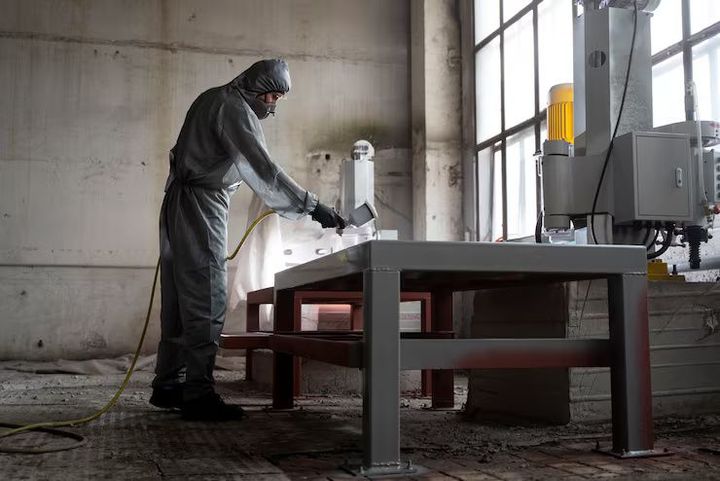
Heavy steam cleaning refers to the use of high-temperature steam under controlled pressure to remove dirt, grease, oil, bacteria, and contaminants from surfaces in industrial and commercial environments. Unlike traditional cleaning methods that rely heavily on chemical agents, steam cleaning uses heat and moisture to loosen and lift residues.
This method exists because many industrial facilities generate stubborn contaminants such as industrial grease, food residues, chemical deposits, and biofilm buildup. Manual cleaning with standard detergents may not achieve deep sanitation or may require extended downtime. Heavy steam cleaning systems provide a more efficient approach by combining heat, pressure, and moisture to break down contaminants.
Today, industrial steam cleaners are widely used in manufacturing plants, food processing facilities, hospitals, commercial kitchens, automotive workshops, and logistics centers.
Importance: Why Heavy Steam Cleaning Matters
Heavy steam cleaning plays a critical role in maintaining hygiene, safety, and operational efficiency.
This topic is relevant to:
-
Facility maintenance managers
-
Industrial plant operators
-
Food processing and commercial kitchen supervisors
-
Sanitation and environmental compliance officers
Steam cleaning helps address challenges such as bacterial contamination, oil buildup on machinery, and residue accumulation in hard-to-reach areas. The high temperature of steam can assist in sanitizing surfaces without relying extensively on chemical solutions.
In regulated industries where hygiene standards are strict, steam cleaning systems contribute to maintaining cleanliness and compliance.
How Heavy Steam Cleaning Systems Work
Heavy steam cleaning machines operate through a controlled heating and pressure process.
Water heating
Water is heated in a boiler or heating chamber.
Steam generation
High-temperature steam is produced.
Pressurized delivery
Steam is delivered through hoses and nozzles.
Surface application
Steam penetrates and loosens contaminants.
Extraction or wiping
Loosened residues are removed manually or with vacuum systems.
This process allows deep cleaning and surface sanitation.
Types of Heavy Steam Cleaning Equipment
Steam cleaning systems vary depending on scale and application.
Portable steam cleaners
Compact systems suitable for small commercial areas.
Industrial stationary steam systems
Fixed installations designed for large-scale operations.
Diesel or gas-powered steam cleaners
Used in outdoor or heavy-duty industrial environments.
Steam vacuum systems
Combine steam application with debris extraction.
The table below compares equipment types:
| Equipment Type | Typical Use | Key Feature |
|---|---|---|
| Portable unit | Small commercial areas | Mobility |
| Stationary system | Manufacturing plants | High capacity |
| Diesel-powered cleaner | Outdoor industrial sites | High pressure |
| Steam vacuum | Deep sanitation tasks | Combined cleaning and extraction |
Choosing equipment depends on cleaning intensity and facility size.
Industrial Applications of Heavy Steam Cleaning
Steam cleaning supports various industrial processes.
Food processing sanitation
Remove grease and bacteria from equipment.
Automotive workshops
Clean engines and mechanical components.
Manufacturing facilities
Maintain machinery and production lines.
Healthcare environments
Assist in surface sanitation.
Logistics warehouses
Clean floors and loading areas.
These applications demonstrate steam cleaning’s versatility.
Benefits of Heavy Steam Cleaning
Heavy steam cleaning offers several practical advantages.
Reduced chemical dependency
Heat-based cleaning minimizes chemical usage.
Effective grease removal
High temperature breaks down oil and residue.
Surface sanitization
Helps reduce microbial presence.
Time efficiency
High-pressure systems reduce cleaning duration.
These benefits contribute to improved hygiene and operational continuity.
Recent Updates and Industry Trends (2025–2026)
Steam cleaning technology has advanced in recent years.
Energy-efficient boiler systems (2025)
Improved insulation and heating elements reduced energy consumption.
IoT-enabled monitoring
Smart systems track temperature and pressure performance.
Eco-friendly steam systems
Low-water consumption designs gained popularity.
Enhanced safety mechanisms
By late 2025, advanced pressure control systems improved operator safety.
The table below highlights trends:
| Trend Area | Observed Direction |
|---|---|
| Efficiency | Energy-optimized boilers |
| Monitoring | IoT-based performance tracking |
| Sustainability | Reduced water usage |
| Safety | Improved pressure control |
These advancements support safer and more efficient cleaning operations.
Laws, Regulations, and Compliance Considerations
Heavy steam cleaning must comply with regulatory requirements.
Workplace safety regulations
Operators must use protective equipment.
Food safety standards
Facilities must meet sanitation requirements.
Environmental guidelines
Wastewater disposal must comply with local regulations.
Equipment certification standards
Steam systems must meet mechanical safety standards.
Compliance ensures safe and responsible use of steam cleaning equipment.
Tools and Resources for Effective Steam Cleaning
Several tools support efficient steam cleaning operations.
Temperature monitoring devices
Ensure proper steam heat levels.
Pressure gauges and control systems
Maintain safe operating pressure.
Surface sanitation checklists
Support compliance documentation.
Maintenance management software
Schedule inspections and servicing.
Protective safety gear
Reduce risk during high-temperature operations.
These resources enhance reliability and safety.
Maintenance Practices for Steam Cleaning Systems
Regular maintenance ensures long-term performance.
Boiler inspection and descaling
Prevent mineral buildup.
Hose and nozzle checks
Ensure consistent steam flow.
Pressure system calibration
Maintain safe operation.
Water quality monitoring
Prevent corrosion and scaling.
Proactive maintenance reduces downtime and extends equipment lifespan.
FAQs About Heavy Steam Cleaning
What is heavy steam cleaning used for?
It is used to remove grease, dirt, and contaminants in industrial and commercial environments.
Does steam cleaning eliminate bacteria?
High temperatures can reduce microbial presence when applied correctly.
Is steam cleaning safe for all surfaces?
Some delicate surfaces may require controlled temperature settings.
Does steam cleaning require chemicals?
It primarily uses heat and water, though some applications may combine mild detergents.
Is steam cleaning energy-intensive?
Modern systems focus on improving energy efficiency.
Conclusion
Heavy steam cleaning systems are essential tools for maintaining cleanliness, safety, and hygiene in industrial and commercial environments. By using high-temperature steam under controlled pressure, these systems effectively remove grease, contaminants, and microbial buildup.
Understanding equipment types, working principles, recent technological developments, regulatory considerations, and maintenance practices provides a structured approach to implementing steam cleaning solutions. As industries prioritize sanitation and sustainability, modern steam cleaning systems continue evolving to deliver efficient and environmentally responsible cleaning performance.