Ice Cream Business in Summer Season Insights for Location Strategy and Product Variety
The ice cream business experiences predictable seasonal growth during the summer season due to rising temperatures and increased consumer demand for cold desserts. In India, peak sales generally occur between March and June, when heat levels are high across many states.
Ice cream products range from traditional dairy-based varieties to fruit-based sorbets and low-sugar alternatives. The frozen dessert market growth in recent years reflects expanding urbanization, higher disposable income, and evolving taste preferences.
The business model for ice cream retail varies. It may include standalone stores, mall kiosks, street outlets, or integration within cafés and quick service restaurants. Location strategy retail planning becomes particularly important during summer, when foot traffic increases in high-density areas.
Understanding consumer behavior, weather patterns, and seasonal demand cycles helps operators structure inventory and product variety effectively.
Importance
The summer season significantly influences revenue potential in the ice cream business. High temperatures create natural demand, but success depends on strategic planning.
Key reasons summer is critical:
-
Increased outdoor activity and tourism
-
School vacations leading to higher family outings
-
Impulse purchasing behavior in hot weather
-
Demand for refreshing and affordable desserts
Location strategy retail planning directly affects performance. High-visibility areas with strong pedestrian movement typically see higher transaction volumes.
Common strategic locations include:
-
Near schools and colleges
-
Tourist attractions
-
Parks and recreational areas
-
Shopping malls
-
Residential neighborhoods with dense population
The table below outlines location types and potential advantages:
| Location Type | Key Advantage | Consumer Profile |
|---|---|---|
| Mall Kiosks | Consistent indoor foot traffic | Families, youth |
| Street Outlets | High visibility | Walk-in customers |
| Tourist Areas | Seasonal visitor flow | Travelers, groups |
| Residential Neighborhoods | Repeat local customers | Families and children |
| Near Educational Institutes | Afternoon and evening demand | Students |
A well-selected location can enhance brand visibility and repeat purchases during peak summer months.
Product Variety Strategy
Product variety plays a major role in meeting diverse consumer preferences. Seasonal product adjustments can improve customer engagement.
Common product categories include:
-
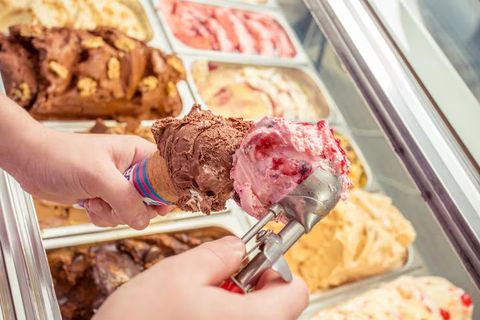
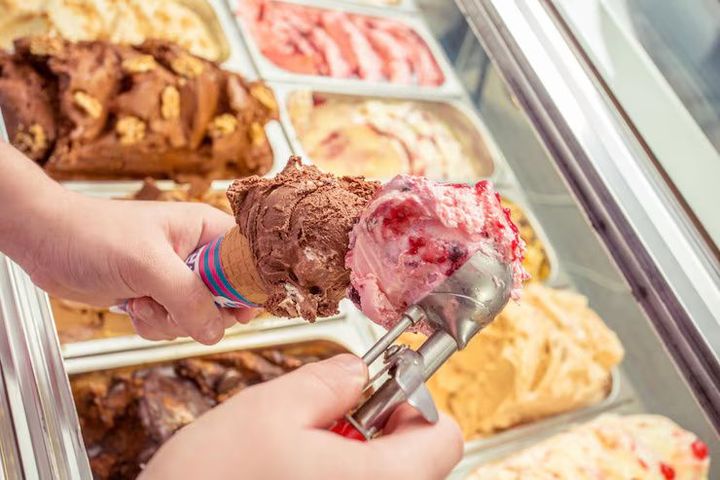
Classic dairy ice creams (vanilla, chocolate, strawberry)
-
Premium flavors with nuts or chocolate inclusions
-
Fruit-based sorbets
-
Low-sugar or reduced-calorie options
-
Vegan or plant-based alternatives
Offering multiple portion sizes also supports wider accessibility:
-
Single scoops
-
Family packs
-
Cones and cups
-
Ice cream sandwiches
-
Popsicles
The table below summarizes product planning considerations:
| Product Type | Target Segment | Seasonal Relevance |
|---|---|---|
| Classic Flavors | General consumers | High demand |
| Premium Variants | Urban youth and families | Trend-driven demand |
| Fruit Sorbets | Health-conscious buyers | Refreshing in high temperatures |
| Plant-Based Options | Lactose-intolerant consumers | Expanding niche market |
| Family Packs | Household consumption | Vacation period purchases |
Balancing classic favorites with limited seasonal flavors encourages repeat visits.
Recent Updates
During 2025 and early 2026, several trends influenced the frozen dessert market growth in India.
Health-Oriented Choices
Consumers increasingly seek low-sugar and natural ingredient options. Products highlighting fruit extracts or reduced artificial additives gained popularity.
Digital Ordering Platforms
Online food delivery applications continue to expand reach for small ice cream outlets, particularly in urban centers.
Premiumization Trend
Urban markets have shown rising interest in artisanal flavors and handcrafted presentation styles.
Sustainable Packaging
Environmentally responsible packaging, such as biodegradable cups and wooden spoons, has gained attention.
The following table highlights recent industry developments:
| Trend Area | Description | Market Impact |
|---|---|---|
| Health-Focused Recipes | Reduced sugar and natural ingredients | Expanded consumer base |
| Digital Sales Channels | Online ordering and delivery integration | Broader geographic reach |
| Artisanal Presentation | Unique flavor combinations | Higher engagement |
| Eco-Friendly Packaging | Biodegradable materials | Sustainability awareness |
These trends demonstrate evolving consumer expectations beyond traditional flavor offerings.
Laws or Policies
The ice cream business in India is regulated under food safety and hygiene standards.
The Food Safety and Standards Authority of India (FSSAI) governs food manufacturing and retail operations. Businesses must obtain appropriate licensing and adhere to hygiene protocols.
Key compliance areas include:
-
Safe storage temperatures
-
Proper ingredient labeling
-
Clean water supply
-
Sanitary preparation environment
-
Expiry date management
Packaging must comply with labeling rules that display ingredient lists, manufacturing details, and nutritional information.
Local municipal authorities may require additional permits for street vending or kiosk operations. Adherence to food safety regulations India enforces is essential to maintain operational legitimacy.
Tools and Resources
Successful summer operations require structured planning and monitoring tools.
Common business resources include:
-
Sales tracking software
-
Inventory management systems
-
Temperature monitoring devices
-
Digital payment systems
-
Customer feedback collection tools
Planning tools:
-
Seasonal demand forecasting spreadsheets
-
Cost monitoring sheets
-
Location footfall analysis reports
-
Supplier management logs
The table below outlines operational tools:
| Tool Category | Purpose |
|---|---|
| Sales Analytics Dashboard | Monitor daily revenue trends |
| Inventory Management System | Track stock and reduce wastage |
| Freezer Temperature Monitor | Maintain food safety standards |
| POS System | Record transactions efficiently |
| Customer Feedback Survey | Evaluate product satisfaction |
Consistent monitoring ensures stable product quality and service efficiency.
FAQs
Why does the ice cream business grow during summer?
Higher temperatures increase demand for cold desserts, leading to seasonal sales growth.
How important is location strategy?
Location strategy significantly influences foot traffic and repeat purchases, especially in high-density or recreational areas.
What product varieties perform well in summer?
Classic flavors remain popular, while fruit-based sorbets and low-sugar options attract health-conscious consumers.
Is FSSAI license mandatory?
Yes. Ice cream businesses must comply with FSSAI regulations to ensure food safety and hygiene standards.
How can businesses manage seasonal demand effectively?
Using sales forecasting tools, monitoring inventory levels, and adjusting product variety based on consumer feedback help manage demand efficiently.
Conclusion
The ice cream business in the summer season presents strong opportunities driven by predictable consumer demand and favorable weather conditions. Success depends on strategic location planning, diversified product variety, and compliance with food safety regulations India mandates.
Recent trends such as health-oriented formulations, digital ordering platforms, and sustainable packaging reflect ongoing market evolution. By combining structured planning tools with regulatory awareness and consumer-focused product development, ice cream businesses can operate efficiently during peak summer demand periods.