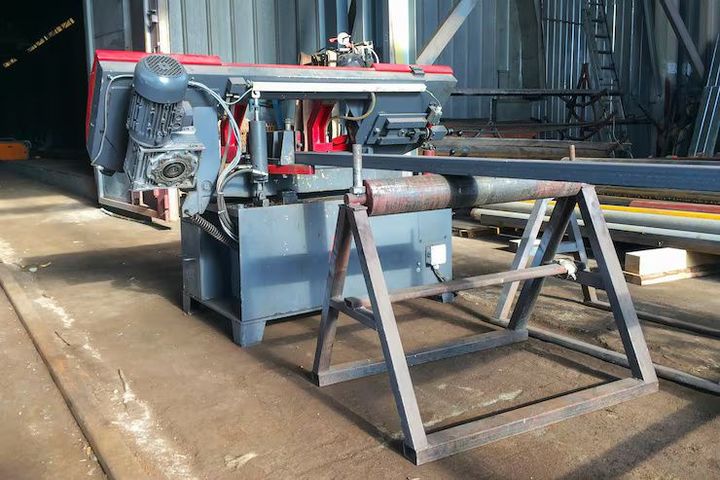
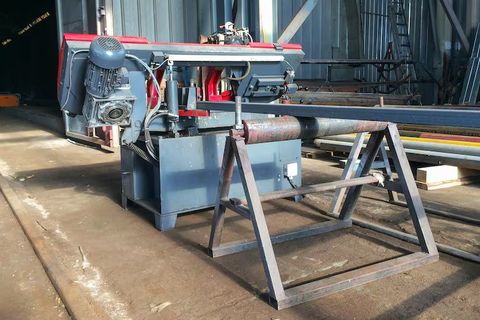
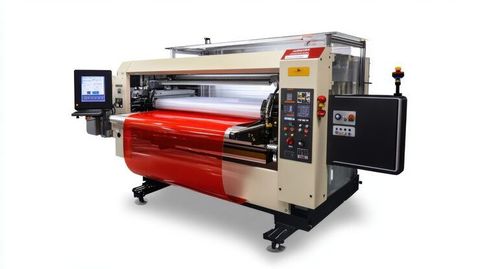
Metal sheets are typically produced in standardized thicknesses and dimensions. However, manufacturing processes require these sheets to be cut or shaped into precise dimensions. Sheet cutting machines perform this task using mechanical force, hydraulic systems, or automated control mechanisms.
Two of the most commonly used machines in sheet metal processing are shearing machines and press brakes. Shearing machines are designed to cut metal sheets into straight edges, while press brakes are used to bend or shape sheet metal into angles and profiles.
The process begins with raw metal sheets, which may include materials such as:
-
Steel sheets
-
Aluminum sheets
-
Stainless steel sheets
-
Copper sheets
-
Brass sheets
These materials are selected depending on the strength, corrosion resistance, and structural requirements of the final product.
In modern manufacturing environments, sheet cutting equipment is often integrated with computer numerical control (CNC) systems. CNC technology enables precise machine control, allowing operators to program cutting dimensions, bending angles, and production sequences.
The basic sheet cutting workflow typically involves the following stages:
-
Measuring and marking sheet metal dimensions
-
Cutting the sheet using a shearing machine
-
Bending or shaping the sheet using a press brake
-
Inspecting the final component for accuracy
These processes form an essential part of metal fabrication operations across many industrial sectors.
Importance: Why Sheet Cutting Machines Are Essential in Manufacturing
Sheet cutting equipment plays a crucial role in industrial production because many manufactured products require metal components with precise shapes and dimensions. Accurate cutting and bending ensure that components fit properly during assembly and perform reliably in their intended applications.
Several industries depend heavily on sheet cutting processes:
-
Automotive manufacturing
-
Construction and infrastructure development
-
Electrical equipment production
-
Industrial machinery manufacturing
-
Aerospace component fabrication
One important benefit of shearing machines is high-speed metal cutting. These machines can process large metal sheets quickly while maintaining straight cutting edges. This efficiency supports high-volume production environments.
Press brakes, on the other hand, provide precision bending capabilities. By applying controlled force along a metal sheet, press brakes create bends at specific angles without damaging the material.
Another advantage of sheet cutting machinery is material efficiency. Modern cutting systems are designed to minimize waste by optimizing cutting layouts and maintaining accurate measurements.
The following table summarizes the primary functions of press brakes and shearing machines.
| Machine Type | Main Function | Manufacturing Role |
|---|
| Shearing Machine | Straight cutting of metal sheets | Initial sheet processing |
| Press Brake | Bending sheet metal at controlled angles | Component shaping |
| CNC Sheet Cutting Systems | Automated cutting and bending | Precision manufacturing |
| Hydraulic Press Brake | High-force bending operations | Thick metal processing |
| Mechanical Shearing Machine | Rapid sheet separation | High-volume production |
Because of their versatility and precision, sheet cutting machines are widely used in both small fabrication workshops and large industrial production facilities.
Recent Updates: Trends in Sheet Cutting Technology (2025–2026)
Advancements in manufacturing technology continue to influence how sheet cutting and bending machines operate. In 2025 and early 2026, several developments have improved machine precision, automation capabilities, and energy efficiency.
One major trend involves the expansion of CNC-controlled press brakes and shearing machines. CNC systems allow operators to program complex cutting patterns and bending sequences. These systems improve consistency in large-scale production and reduce manual adjustments.
Another development is the integration of automation and robotics within sheet metal fabrication lines. Robotic arms are increasingly used to load metal sheets, position materials, and transfer components between cutting and bending machines.
Manufacturers have also introduced energy-efficient hydraulic systems that reduce power consumption while maintaining consistent cutting force. These systems are designed to optimize machine performance and reduce operational strain on mechanical components.
Digital monitoring platforms are another emerging feature in modern fabrication facilities. These platforms track machine performance, cutting accuracy, and maintenance requirements.
The following chart illustrates the evolution of sheet cutting technologies in recent years.
Sheet Cutting Technology Development (2022–2026)
| Year | Machine Control Technology | Automation Level | Production Precision |
|---|
| 2022 | Basic mechanical control | Limited automation | Standard accuracy |
| 2023 | Semi-automated CNC systems | Moderate automation | Improved precision |
| 2024 | Advanced CNC programming | Robotic material handling | High accuracy |
| 2025 | Smart manufacturing integration | Automated production cells | Precision optimization |
| 2026 | Digital monitoring systems | Integrated robotic fabrication | Advanced precision control |
These developments reflect the broader shift toward digital manufacturing and automated production systems in modern industrial environments.
Laws and Policies Affecting Industrial Metal Fabrication
Sheet cutting and metal fabrication operations are influenced by workplace safety regulations, environmental standards, and industrial manufacturing guidelines. These policies ensure that fabrication processes operate safely and responsibly.
Industrial safety regulations often require protective measures when operating cutting and bending machines. These safety measures may include machine guards, emergency stop systems, and operator training protocols.
Workplace safety standards commonly address:
-
Safe operation of hydraulic and mechanical machinery
-
Protective equipment for machine operators
-
Noise and vibration management
-
Emergency safety procedures
Environmental regulations may also affect metal fabrication facilities. These regulations focus on responsible material handling, waste management, and energy efficiency.
Manufacturing standards organizations also establish technical guidelines for machine performance and fabrication quality. These standards help ensure consistent production outcomes across industrial facilities.
By following these regulations and guidelines, fabrication facilities can maintain safe working conditions and reliable manufacturing processes.
Tools and Resources Used in Sheet Cutting Operations
Sheet cutting operations rely on several specialized tools and measurement systems that help ensure accuracy and consistent production quality.
Common tools used in sheet metal fabrication include:
Measurement Tools
Machine Control Systems
Material Handling Equipment
-
Sheet metal lifting systems
-
Conveyor-based material transport
-
Robotic sheet positioning systems
Inspection Tools
-
Surface inspection gauges
-
Thickness measurement tools
-
Dimensional verification systems
The table below summarizes several tools commonly used in sheet cutting operations.
| Tool Category | Function | Application |
|---|
| Digital Calipers | Measure sheet thickness | Quality inspection |
| CNC Software | Program cutting sequences | Machine automation |
| Angle Gauges | Measure bend angles | Press brake operations |
| Surface Inspection Tools | Detect surface irregularities | Fabrication quality control |
| Material Handling Systems | Move metal sheets safely | Production workflow support |
These tools support accurate metal processing and help maintain consistent product quality in fabrication environments.
Frequently Asked Questions About Sheet Cutting Machines
What is a shearing machine used for?
A shearing machine is used to cut metal sheets into straight edges or smaller sections by applying mechanical or hydraulic force between two blades.
What is the function of a press brake?
A press brake is used to bend sheet metal into specific angles or shapes by pressing the metal sheet between a punch and a die.
Can sheet cutting machines process different metals?
Yes. Shearing machines and press brakes can process materials such as steel, aluminum, stainless steel, copper, and brass, depending on machine capacity.
How does CNC technology improve sheet cutting accuracy?
CNC systems allow operators to program precise cutting dimensions and bending angles, which helps maintain consistent accuracy during production.
What industries use sheet cutting machines?
Industries such as automotive manufacturing, construction, electronics production, and industrial equipment manufacturing commonly use sheet cutting machines.
Conclusion
Sheet cutting is an essential process in metal fabrication that enables manufacturers to transform flat metal sheets into precise components used across many industries. Machines such as shearing machines and press brakes perform critical functions in cutting, shaping, and bending metal materials.
Recent advancements in CNC technology, robotic automation, and digital monitoring systems have significantly improved the precision and efficiency of sheet cutting operations. These innovations are helping manufacturing facilities maintain consistent production quality while supporting modern industrial demands.
As industrial technology continues to evolve, sheet cutting machines will remain a central component of metal fabrication systems, supporting the production of structural components, machinery parts, and engineered metal products used around the world.