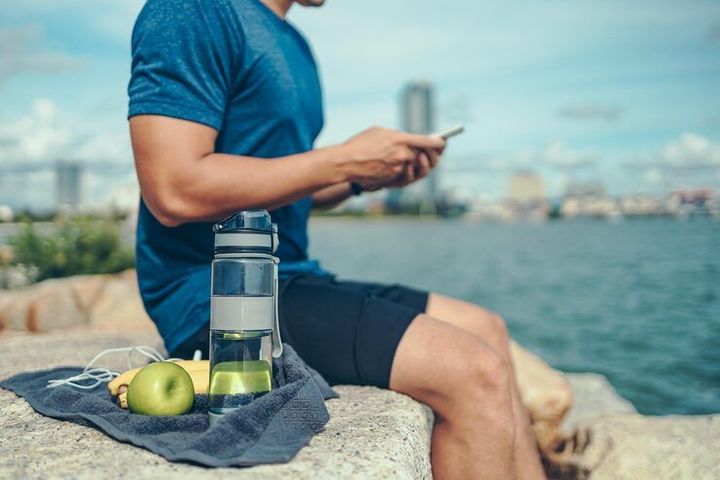
Hydration for athletes becomes especially important in hot climates. In India, summer temperatures can exceed 40°C in many regions, increasing the risk of dehydration and heat-related stress. Electrolyte-based hydration solutions are formulated to support fluid replacement more effectively than plain water in certain conditions.
Heat protection drinks are designed to assist in maintaining sodium potassium balance, which is necessary for muscle contraction and cardiovascular stability. Electrolyte water bottles are commonly used by athletes, outdoor workers, fitness enthusiasts, and individuals participating in endurance sports.
Understanding the science behind hydration helps individuals make informed decisions about fluid intake during high-heat activities.
Importance
Electrolytes are electrically charged minerals that regulate fluid distribution and muscle activity. When sweating increases, sodium and other minerals are lost. Replacing only water without electrolytes in prolonged activity may dilute sodium levels in the body.
Electrolyte water bottles are important because they support:
-
Fluid balance restoration
-
Muscle function
-
Prevention of cramps
-
Maintenance of blood pressure stability
-
Improved endurance performance
Groups that may benefit include:
The table below outlines key electrolytes and their functions:
| Electrolyte | Primary Role in the Body |
|---|
| Sodium | Fluid balance and nerve signaling |
| Potassium | Muscle contraction and heart rhythm |
| Magnesium | Energy production and muscle function |
| Calcium | Bone health and nerve transmission |
Balanced hydration supports both athletic performance and general heat safety.
How Electrolyte Water Works
During exercise, sweat contains water and dissolved salts. The average sodium concentration in sweat varies based on individual physiology and climate conditions.
Electrolyte water bottles work by:
-
Replacing lost fluids
-
Restoring sodium potassium balance
-
Supporting nerve and muscle function
-
Preventing dehydration-related fatigue
For short-duration activities, water alone may be sufficient. However, for prolonged exercise exceeding 60 minutes or intense outdoor activity in high temperatures, electrolyte supplementation may be beneficial.
The table below compares hydration strategies:
| Hydration Type | Suitable Activity Duration | Key Benefit |
|---|
| Plain Water | Short-duration exercise | Basic fluid replacement |
| Electrolyte Water | Long-duration or intense | Electrolyte replenishment |
| Oral Rehydration Salts | Severe dehydration cases | Medical-grade electrolyte support |
In India, oral rehydration salts are commonly used for clinical dehydration under medical guidance.
Heat Protection Considerations
Heat stress occurs when the body struggles to regulate temperature due to excessive heat exposure.
Signs of dehydration may include:
-
Thirst
-
Dry mouth
-
Fatigue
-
Dizziness
-
Reduced urine output
Athletes and active individuals can adopt these hydration practices:
-
Begin hydration before exercise
-
Consume small amounts at regular intervals
-
Monitor urine color as a hydration indicator
-
Adjust intake based on sweat rate and temperature
The table below outlines hydration planning tips:
| Condition | Hydration Recommendation |
|---|
| Moderate Exercise | Water with periodic electrolyte intake |
| High Heat Outdoor Activity | Regular electrolyte solution consumption |
| Endurance Events | Scheduled hydration intervals |
| Early Dehydration Signs | Increase fluid and electrolyte intake |
Structured hydration strategies reduce heat-related risks.
Recent Updates
During 2025 and early 2026, sports hydration solutions have evolved with greater focus on formulation transparency and sustainability.
Low-Sugar Formulations
Many electrolyte beverages now reduce added sugars while maintaining mineral content.
Ready-to-Mix Sachets
Portable electrolyte powder sachets are widely used for convenience during travel and sports events.
Enhanced Mineral Blends
Some formulations include additional trace minerals to support recovery.
Eco-Friendly Packaging
Reusable and recyclable bottle packaging aligns with environmental sustainability trends.
The table below summarizes current trends:
| Trend Area | Description | Impact on Consumers |
|---|
| Reduced Sugar Content | Lower carbohydrate formulations | Balanced hydration options |
| Portable Sachets | Travel-friendly packaging | Convenience |
| Expanded Mineral Profiles | Inclusion of magnesium and zinc | Recovery support |
| Sustainable Bottles | Reusable designs | Environmental awareness |
These developments reflect growing awareness of performance nutrition and responsible packaging.
Laws or Policies
Electrolyte beverages in India are regulated under the Food Safety and Standards Authority of India (FSSAI).
Manufacturers must comply with:
-
Ingredient disclosure requirements
-
Nutritional labeling standards
-
Permissible additive limits
-
Hygiene and manufacturing practices
Health claims must not be misleading and should align with approved labeling guidelines. Claims related to dehydration prevention must avoid exaggerated or medical assertions unless scientifically supported.
Beverage manufacturers must adhere to FSSAI beverage regulations and maintain proper quality documentation.
Consumers are encouraged to review ingredient labels and nutritional information before consumption.
Tools and Resources
Athletes and trainers can use structured tools to plan hydration effectively.
Common resources include:
-
Hydration tracking mobile apps
-
Sweat rate calculation charts
-
Electrolyte intake calculators
-
Temperature and humidity monitoring apps
-
Sports nutrition planning guides
The table below outlines helpful tools:
| Tool Category | Purpose |
|---|
| Hydration Tracker App | Monitor daily fluid intake |
| Sweat Rate Calculator | Estimate fluid loss during exercise |
| Electrolyte Intake Guide | Determine appropriate mineral balance |
| Weather Monitoring App | Assess heat exposure risk |
| Training Logbook | Record hydration patterns and performance |
Using structured tracking tools improves hydration consistency.
FAQs
What are electrolytes?
Electrolytes are minerals such as sodium and potassium that help regulate fluid balance and muscle function.
Is electrolyte water necessary for everyone?
For light daily activity, water is usually sufficient. Electrolyte drinks may be beneficial during prolonged or intense exercise in hot conditions.
Can too many electrolytes be harmful?
Excessive intake may cause imbalance. Consumption should align with activity level and individual health considerations.
Are electrolyte drinks suitable for children?
Children engaging in prolonged sports may benefit under guidance, but moderation is important.
How can dehydration be identified?
Common signs include thirst, fatigue, dizziness, and dark-colored urine.
Conclusion
Electrolyte water bottles are designed to support hydration for athletes and active individuals exposed to heat and prolonged physical activity. By replenishing essential minerals lost through sweat, these beverages assist in maintaining sodium potassium balance and muscle function.
Recent trends in low-sugar formulations, portable sachets, and sustainable packaging reflect evolving consumer awareness. Compliance with FSSAI beverage regulations ensures product safety and accurate labeling in India.
Through structured hydration planning, awareness of heat stress symptoms, and informed electrolyte intake, athletes and active individuals can support safe performance and effective heat protection strategies.