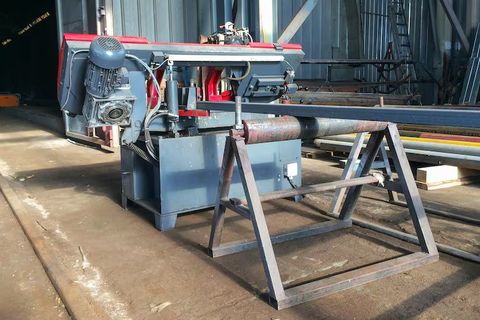
Crane Parts Explained: Learn About Components and Equipment Fundamentals
Cranes are large mechanical systems designed to lift, move, and position heavy materials in industrial, construction, and logistics environments. These machines use mechanical structures, cables, and control systems to move loads vertically and horizontally. Cranes are widely used for tasks such as building construction, equipment installation, container handling, and heavy material transport.
A crane works by combining structural support components with lifting mechanisms that allow operators to raise and move loads safely. Most cranes use a combination of pulleys, cables, motors, and counterweights to manage heavy lifting tasks.
Modern cranes come in several forms, including tower cranes, mobile cranes, overhead cranes, and gantry cranes. While their designs may vary depending on the application, most cranes share a set of common mechanical components that perform essential functions.
The fundamental parts of a crane typically include:
-
The boom or jib structure that supports the load
-
The hoist mechanism responsible for lifting materials
-
The trolley system that moves loads horizontally
-
Counterweights that balance the crane
-
Control systems used to guide crane movement
These components work together to ensure that loads are lifted and transported in a controlled and stable manner.
Crane systems are designed using engineering principles related to load distribution, mechanical advantage, and structural stability. By combining these principles with mechanical components, cranes can handle extremely heavy loads while maintaining operational balance.
Importance: Why Understanding Crane Components Matters
Understanding crane components is important for industries that rely on heavy lifting equipment. Proper knowledge of crane parts helps operators, engineers, and maintenance personnel ensure that lifting systems function safely and efficiently.
Cranes are used across multiple sectors where heavy materials must be moved or positioned accurately. These sectors include:
-
Construction and infrastructure development
-
Industrial manufacturing facilities
-
Shipping ports and container terminals
-
Mining and heavy equipment operations
-
Warehouse and logistics environments
One of the key reasons crane components are important is load stability. Each component of a crane contributes to maintaining balance while lifting heavy materials. Structural elements such as the boom and counterweights help distribute the load evenly across the crane frame.
Another important factor is lifting control. The hoist system, which includes cables, drums, and motors, regulates how loads are raised and lowered. Accurate control helps prevent sudden movements that could affect safety.
Crane components also contribute to movement flexibility. Systems such as trolleys and rotating platforms allow cranes to move loads across work areas without repositioning the entire machine.
The table below summarizes the main crane components and their functions.
| Crane Component | Function | Operational Role |
|---|---|---|
| Boom or Jib | Structural arm for lifting | Supports load movement |
| Hoist System | Raises and lowers loads | Vertical lifting control |
| Trolley | Moves loads along the boom | Horizontal load positioning |
| Counterweights | Balance the crane structure | Stability during lifting |
| Operator Control System | Controls crane movements | Precision operation |
Understanding how these parts work together helps improve crane operation, equipment management, and industrial safety.
Recent Updates: Trends in Crane Technology (2025–2026)
Crane technology continues to evolve as industries adopt digital systems, automation tools, and improved safety mechanisms. Several developments in 2025 and early 2026 highlight the modernization of crane equipment and lifting technologies.
One significant trend is the integration of digital monitoring systems in cranes. These systems track load weight, crane position, and operational performance in real time. Digital monitoring helps operators evaluate lifting conditions and detect potential mechanical issues.
Another development is the adoption of remote-control crane operations. In certain industrial environments, crane operators can control equipment from remote stations using wireless control interfaces. This approach helps improve visibility and operator safety in complex lifting environments.
Crane manufacturers have also introduced improved load detection sensors that measure weight distribution and structural stress during lifting operations. These sensors help ensure that cranes operate within safe load limits.
Automation is another emerging trend in crane systems. Some industrial facilities are exploring semi-automated cranes that use programmed movement paths for repetitive lifting tasks.
The chart below illustrates how crane technology has progressed in recent years.
Crane Technology Development (2022–2026)
| Year | Control Technology | Safety Systems | Operational Features |
|---|---|---|---|
| 2022 | Manual and mechanical controls | Standard load indicators | Basic lifting operations |
| 2023 | Digital control panels | Improved load monitoring | Enhanced operator interfaces |
| 2024 | Sensor-based safety systems | Automated load alerts | Precision lifting control |
| 2025 | Remote-control crane operation | Smart load monitoring | Digital crane diagnostics |
| 2026 | Integrated automation systems | Advanced safety analytics | Smart lifting management |
These developments demonstrate how cranes are gradually incorporating digital technologies to improve safety, efficiency, and operational monitoring.
Laws and Policies Affecting Crane Equipment and Operations
Crane operations are subject to safety regulations and industrial standards that help ensure safe lifting practices. These regulations apply to crane design, installation, operation, and maintenance.
Workplace safety organizations often establish guidelines for heavy lifting equipment to reduce the risk of accidents and mechanical failures. These guidelines may include requirements related to operator training, equipment inspections, and load management.
Common regulatory areas affecting crane equipment include:
-
Equipment safety certification standards
-
Periodic crane inspection requirements
-
Load capacity regulations
-
Workplace safety training guidelines
Industrial safety policies also require regular maintenance and testing of crane components such as cables, brakes, and lifting hooks. These inspections help identify wear or mechanical stress that could affect equipment reliability.
In many regions, construction and industrial regulations require documentation related to crane operation and load handling procedures. These policies help ensure that crane systems operate within established safety limits.
By following safety standards and regulatory guidelines, organizations can maintain safe lifting environments and reduce operational risks.
Tools and Resources Used for Crane Equipment Management
Crane operations rely on various tools and digital resources that support equipment monitoring, maintenance, and lifting planning. These tools help improve equipment reliability and operational efficiency.
Common crane-related tools include:
Load Monitoring Systems
-
Digital load indicators
-
Weight measurement sensors
-
Structural stress monitoring systems
Crane Control Systems
-
Electronic control panels
-
Remote operation interfaces
-
Crane automation software
Inspection and Maintenance Tools
-
Cable inspection devices
-
Structural integrity testing equipment
-
Lubrication and maintenance tools
Planning and Engineering Resources
-
Lift planning software
-
Structural load calculation tools
-
Engineering design documentation systems
The table below summarizes several tools used in crane operations.
| Tool Category | Function | Operational Use |
|---|---|---|
| Load Sensors | Measure weight and balance | Lifting safety monitoring |
| Control Panels | Operate crane movements | Equipment control |
| Inspection Tools | Evaluate mechanical condition | Maintenance checks |
| Lift Planning Software | Plan heavy lifting operations | Engineering analysis |
| Structural Monitoring Systems | Detect stress and strain | Equipment safety management |
These tools help ensure that cranes operate safely while supporting complex lifting operations in industrial environments.
Frequently Asked Questions About Crane Parts
What are the main parts of a crane?
The main parts of a crane typically include the boom, hoist system, trolley, counterweights, and operator control system.
What is the function of a crane hoist?
The hoist system lifts and lowers loads using cables, drums, and motors that provide controlled vertical movement.
Why are counterweights used in cranes?
Counterweights balance the crane structure by offsetting the weight of the load being lifted, helping maintain stability.
What is a crane trolley?
A trolley is a movable platform that travels along the crane’s boom or bridge, allowing loads to move horizontally across a work area.
How do modern cranes improve lifting safety?
Modern cranes use digital monitoring systems, load sensors, and automated safety alerts to help operators maintain safe lifting conditions.
Conclusion
Cranes are essential machines used in construction, manufacturing, and logistics industries to lift and move heavy materials. These systems rely on a combination of structural components, lifting mechanisms, and control systems to perform complex lifting operations.
Key crane parts such as the boom, hoist system, trolley, and counterweights work together to ensure load stability and controlled movement. Understanding these components helps explain how cranes manage heavy loads safely and efficiently.
Recent advancements in digital monitoring, automation technologies, and sensor-based safety systems are transforming how cranes operate in modern industrial environments. As these technologies continue to develop, cranes will remain an important part of material handling systems across global industries.