Industrial coating systems are widely used in automotive manufacturing, construction materials production, packaging industries, electronics assembly, and heavy engineering. The automated coating process ensures uniform coverage, consistent thickness, and high production efficiency.
Surface coatings may include paints, powder coatings, varnishes, epoxy layers, protective films, or specialized chemical finishes. The purpose of using coating machines instead of manual application is to achieve precision, reduce material wastage, and meet quality control standards.
As manufacturing sectors in India continue to modernize, surface coating equipment plays a crucial role in extending product life and improving performance characteristics.
Importance
Coating machines are important because surface treatment directly impacts product durability, aesthetics, and environmental resistance.
Key functions of industrial coating systems:
-
Protect surfaces from corrosion
-
Improve wear resistance
-
Enhance chemical resistance
-
Provide decorative finishing
-
Improve electrical insulation properties
Industries that rely heavily on coating machines include:
-
Automotive and transportation
-
Infrastructure and construction
-
Consumer electronics
-
Appliance manufacturing
-
Metal fabrication workshops
The table below outlines common coating objectives:
| Coating Objective | Industrial Benefit |
|---|
| Corrosion Protection | Increased product lifespan |
| Decorative Finishing | Improved market appeal |
| Heat Resistance | Enhanced thermal performance |
| Chemical Resistance | Protection in harsh environments |
| Electrical Insulation | Improved safety in electronic components |
Selecting the appropriate coating method ensures that the intended performance characteristics are achieved.
Types of Coating Machines
Spray Coating System
A spray coating system uses pressurized air or fluid to atomize coating material and apply it evenly onto surfaces. It is widely used in automotive painting and metal finishing.
Powder Coating Machine
Powder coating machines apply dry powder particles electrostatically onto surfaces. The coated material is then cured in an oven to form a durable finish.
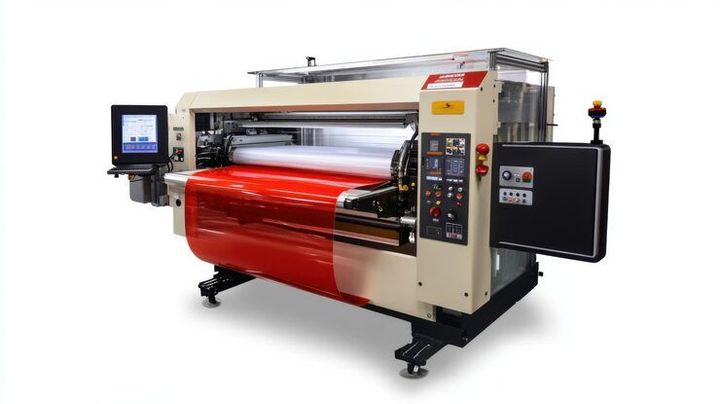
Roll Coating Machine
Roll coating systems apply coatings through rotating rollers. These machines are often used in sheet metal and panel production.
Dip Coating System
Dip coating involves immersing objects in a coating solution and withdrawing them at a controlled speed to achieve uniform thickness.
The table below compares coating machine types:
| Machine Type | Suitable Material | Key Advantage |
|---|
| Spray Coating System | Metal and plastic parts | Uniform application on complex shapes |
| Powder Coating Machine | Metal components | Durable and solvent-free finish |
| Roll Coating Machine | Flat sheets and panels | High-speed production capability |
| Dip Coating System | Small or uniform objects | Consistent layer thickness |
Each method is selected based on production scale, material type, and required finish.
Coating Process Steps
Surface Preparation
Before applying any coating, surfaces must be cleaned and prepared. This may involve degreasing, sandblasting, or chemical treatment to remove contaminants.
Application Stage
The selected coating machine applies the coating material using controlled flow rates, pressure, and movement.
Curing or Drying
Curing solidifies the coating. Powder coatings require oven curing, while liquid coatings may air-dry or bake depending on formulation.
Inspection and Quality Control
Final inspection ensures proper thickness, adhesion, and finish quality.
The table below outlines process stages:
| Process Stage | Purpose |
|---|
| Surface Cleaning | Remove dirt and oil |
| Coating Application | Apply uniform protective layer |
| Curing/Drying | Solidify coating material |
| Quality Inspection | Verify thickness and adhesion |
A structured process improves coating performance and durability.
Recent Updates
In 2025 and early 2026, industrial coating systems have incorporated automation and sustainability improvements.
Robotic Spray Systems
Automated robotic arms provide precise and repeatable coating application, reducing human exposure to chemicals.
Low-VOC Coatings
Environmental concerns have encouraged the use of low volatile organic compound (VOC) coatings.
Smart Thickness Monitoring
Digital sensors now measure coating thickness in real time to ensure compliance with specifications.
Energy-Efficient Curing Ovens
Improved insulation and temperature control systems reduce energy consumption.
The table below highlights innovation areas:
| Innovation Area | Description | Operational Benefit |
|---|
| Robotic Automation | Automated spray arms | Increased precision |
| Low-VOC Formulations | Reduced solvent emissions | Environmental compliance |
| Thickness Monitoring Sensors | Real-time quality measurement | Improved consistency |
| Energy-Efficient Ovens | Optimized curing systems | Reduced energy usage |
These updates reflect ongoing modernization in industrial surface treatment technology.
Laws or Policies
Coating machine operations in India must comply with environmental and workplace safety regulations.
The Environment (Protection) Act, 1986 and the Air (Prevention and Control of Pollution) Act, 1981 regulate emissions from industrial facilities, including paint booths and curing systems.
The Central Pollution Control Board (CPCB) establishes emission standards for solvent vapors and particulate discharge.
Workplace safety is governed by the Factories Act, 1948, which mandates proper ventilation, protective equipment, and safe chemical handling procedures.
In certain sectors, such as food or pharmaceutical packaging, additional quality standards may apply.
Adhering to environmental compliance India enforces ensures responsible industrial surface applications.
Tools and Resources
Effective coating machine operation requires monitoring and maintenance tools.
Operational tools include:
Digital resources:
-
Production data monitoring dashboards
-
Preventive maintenance schedules
-
Emission tracking reports
-
Quality inspection logs
The table below outlines essential management resources:
| Resource Category | Purpose |
|---|
| Thickness Measurement Tool | Verify coating consistency |
| Temperature Control System | Monitor curing process |
| Emission Monitoring Device | Ensure environmental compliance |
| Maintenance Logbook | Track equipment servicing |
| Quality Inspection Checklist | Confirm surface finish standards |
Routine calibration and inspection support consistent performance.
FAQs
What is the purpose of a coating machine?
A coating machine applies protective or decorative layers onto surfaces to improve durability and appearance.
Which coating method is best for metal parts?
Powder coating and spray coating systems are commonly used for metal components, depending on finish requirements.
Why is surface preparation important?
Proper cleaning and preparation ensure strong adhesion and long-lasting coating performance.
Are coating machines regulated in India?
Yes. Operations must comply with environmental and workplace safety regulations.
How is coating thickness measured?
Thickness gauges and digital sensors are used to verify uniform application.
Conclusion
Coating machines are essential tools in industrial surface applications, enabling precise and consistent protective finishes. From spray coating systems to powder coating machines, each method addresses specific material and production requirements.
Recent advancements in robotic automation, low-VOC formulations, and smart monitoring systems demonstrate the industry’s shift toward efficiency and environmental responsibility. At the same time, adherence to environmental compliance India mandates remains crucial for safe operations.
By selecting appropriate surface coating equipment, implementing structured process control, and maintaining regulatory awareness, manufacturers can achieve durable and high-quality surface treatments across diverse industrial sectors.