Luxury Watches Knowledge for Watchmaking Techniques and Quality Standards
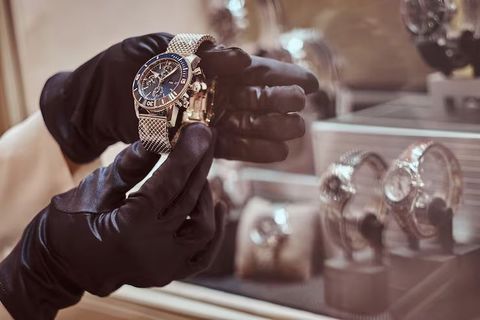
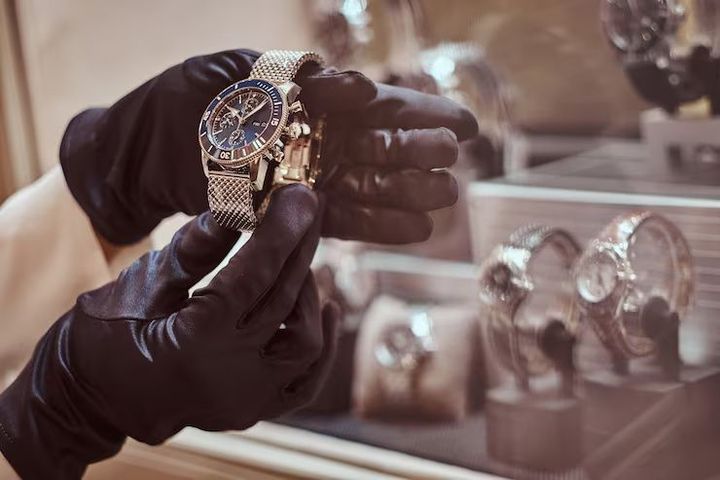
Luxury watches are high-end timepieces known for precision engineering, refined craftsmanship, and long-term durability. Unlike mass-produced quartz watches, many luxury watches rely on mechanical watch movement systems that reflect centuries of horology development.
Watchmaking techniques evolved in Europe, particularly in Switzerland, where Swiss watchmaking became internationally recognized for innovation and quality standards. Over time, luxury watches have become associated with advanced engineering, heritage craftsmanship, and strict quality control processes.
A mechanical watch operates through a complex assembly of gears, springs, and balance wheels. Energy is stored in a mainspring and gradually released to power the movement. This process requires meticulous assembly and calibration to maintain accuracy.
Luxury watches exist not only as functional devices for timekeeping but also as examples of micro-mechanical engineering. Their production involves precision machining, hand-finishing, testing, and certification to ensure performance reliability.
As global interest in premium consumer goods grows, luxury watches remain relevant due to their technical complexity and adherence to established horology standards.
Importance
Luxury watches are important for several reasons, including engineering excellence, heritage preservation, and quality assurance practices.
High-end timepieces often represent:
-
Advanced mechanical design
-
Skilled craftsmanship
-
Strict accuracy testing
-
Durable material selection
-
Long-term performance stability
Mechanical and automatic movement systems require precise assembly, often involving hundreds of components. Even minor inaccuracies can affect performance. Therefore, quality control is central to luxury watch production.
The following table compares major movement types found in luxury watches:
| Movement Type | Power Source | Maintenance Needs | Typical Usage in Luxury Watches |
|---|---|---|---|
| Mechanical (Manual) | Hand-wound mainspring | Regular winding | Traditional high-end models |
| Automatic Movement | Self-winding rotor mechanism | Periodic service | Popular premium watches |
| Quartz Movement | Battery-powered oscillator | Battery replacement | Less common in luxury segment |
Automatic movement watches are particularly valued in the luxury segment because they combine mechanical complexity with daily usability. The rotor inside the case winds the mainspring through wrist motion.
Luxury watches also serve as long-term precision instruments. Some models include additional complications such as:
-
Chronograph watches (stopwatch function)
-
Perpetual calendars
-
Moon phase displays
-
Tourbillon mechanisms
These complications require advanced watchmaking techniques and careful assembly.
Watchmaking Techniques
The production of luxury watches involves multiple stages, each requiring technical expertise and precision tools.
Movement Assembly
The movement is the core mechanism of the watch. Components such as gears, escapement systems, balance wheels, and mainsprings are assembled under magnification. Proper lubrication and alignment are critical for performance stability.
Finishing and Decoration
Luxury watch movements often undergo decorative finishing, including:
-
Geneva stripes
-
Perlage patterns
-
Anglage (beveled edges)
-
Polished screws
While these finishes enhance appearance, they also reflect craftsmanship standards and attention to detail.
Case Manufacturing
Cases are made from materials such as stainless steel, titanium, gold alloys, or ceramic. Precision machining ensures water resistance and structural integrity.
Dial and Hand Installation
Dials are carefully aligned to ensure readability and symmetry. Hands must be mounted without interfering with each other or damaging the dial surface.
Regulation and Testing
After assembly, watches undergo regulation to adjust accuracy. Watchmakers fine-tune the balance wheel and escapement to minimize time deviation.
The following table outlines key production stages:
| Production Stage | Purpose |
|---|---|
| Movement Assembly | Build and align mechanical components |
| Case Fabrication | Ensure durability and water resistance |
| Dial Installation | Achieve precision alignment |
| Quality Testing | Verify accuracy and reliability |
| Final Inspection | Confirm aesthetic and functional quality |
Each stage contributes to the overall performance and reliability of the finished timepiece.
Recent Updates
In 2025 and early 2026, several developments have influenced the luxury watch industry.
Sustainability Initiatives
Manufacturers are increasingly using recycled metals and ethically sourced materials. Environmental transparency has become an important factor in high-end production standards.
Advanced Materials
Innovations in silicon escapements and ceramic components have improved resistance to magnetism and wear. These materials enhance long-term accuracy and durability.
Certification and Accuracy Improvements
Some brands have adopted stricter in-house testing standards beyond traditional chronometer certifications. Enhanced performance control methods ensure tighter accuracy tolerances.
Digital Integration
While luxury watches remain mechanical in nature, digital tools are now used in manufacturing processes. Computer-aided design (CAD) and high-precision CNC machining improve component consistency.
The table below highlights recent trends:
| Trend Area | Description | Impact on Quality Standards |
|---|---|---|
| Sustainable Materials | Recycled metals and responsible sourcing | Environmental accountability |
| Anti-Magnetic Components | Silicon-based parts | Improved accuracy stability |
| Enhanced Testing Protocols | Extended performance evaluation | Greater reliability assurance |
| Precision CNC Manufacturing | Advanced component machining | Consistent dimensional accuracy |
These updates reflect the evolving balance between tradition and technological advancement in Swiss watchmaking and global horology.
Laws or Policies
Luxury watches imported or manufactured in India must comply with regulatory standards.
The Bureau of Indian Standards (BIS) regulates precious metal purity for gold and silver components through hallmarking requirements. Watches containing gold cases must meet hallmark verification standards.
The Legal Metrology Act, 2009 governs labeling requirements for consumer goods. Timepieces must display accurate product information, including material specifications and origin.
Customs regulations also apply to imported high-end timepieces. Accurate declaration of materials and components is required under Indian trade policies.
For international brands, compliance with international standards such as ISO certifications and chronometer testing bodies is common practice. These standards support global quality recognition.
Ensuring regulatory compliance supports transparency and maintains consumer trust in the luxury watch sector.
Tools and Resources
Watchmaking and quality control rely on specialized tools and technical resources.
Common watchmaking tools include:
-
Loupe magnifiers
-
Micro-screwdrivers
-
Precision tweezers
-
Timing machines for accuracy measurement
-
Pressure testing equipment for water resistance
Quality assurance resources:
-
Chronometer testing devices
-
Magnetism detection tools
-
Calibration charts
-
Maintenance documentation logs
The following table outlines essential resources in luxury watch production:
| Resource Category | Purpose |
|---|---|
| Timing Machine | Measure time deviation |
| Pressure Tester | Verify water resistance |
| Demagnetization Device | Remove magnetic interference |
| Inspection Microscope | Examine micro-components |
| Maintenance Log System | Track service intervals |
Routine inspection and regulated servicing help maintain performance stability over time.
FAQs
What defines a luxury watch?
A luxury watch typically features high-quality materials, advanced mechanical movement, skilled craftsmanship, and strict quality testing.
How does an automatic movement work?
An automatic movement uses a rotor that winds the mainspring through wrist motion, eliminating the need for daily manual winding.
What is a chronograph watch?
A chronograph watch includes a stopwatch function, allowing measurement of elapsed time in addition to standard timekeeping.
Are mechanical watches more accurate than quartz watches?
Quartz watches generally offer higher accuracy in daily timekeeping. However, mechanical watches are valued for craftsmanship and engineering complexity.
How are luxury watches tested for quality?
Testing includes accuracy regulation, water resistance checks, power reserve measurement, and visual inspection under magnification.
Conclusion
Luxury watches represent a combination of engineering precision, heritage craftsmanship, and strict quality standards. Through advanced watchmaking techniques, mechanical watch movement systems demonstrate the complexity of micro-mechanical design.
Recent developments in sustainable materials, anti-magnetic components, and enhanced testing protocols show how the industry continues to evolve while preserving traditional Swiss watchmaking principles.
Compliance with regulatory requirements in India, including hallmarking and labeling standards, ensures transparency and accountability. By integrating precise assembly methods, rigorous quality control, and specialized tools, luxury watch production maintains high performance and reliability in the global horology sector.