A Clear and Practical Guide for Vehicle Owners, Learners, and Everyday Users
Dents are one of the most common issues vehicle owners face. They can happen from parking lot impacts, hailstorms, minor accidents, or even falling objects. While many dents do not affect a vehicle’s mechanical performance, they can impact appearance, resale value, and long-term body strength if left untreated. As vehicles age, small dents can also contribute to paint cracking or rust development. Dent repair is not just about aesthetics. It is part of responsible vehicle maintenance, ensuring that the exterior remains structurally sound and protected. With advancements in repair techniques and growing awareness of cost-effective solutions, more drivers today want to understand how dent repair works, what types exist, and how to choose the right approach. This guide explains everything in a simple, user-focused manner so readers can make informed decisions about restoring their vehicles.
Benefits of Dent Repair
1. Restores Vehicle Appearance
A well-repaired dent brings the vehicle back to its original look. This is important for daily drivers, leased vehicles, and cars intended for resale.
2. Prevents Long-Term Damage
Even minor dents can weaken protective paint layers, leading to rust or corrosion. Repairing dents early helps preserve the metal underneath.
3. Supports Higher Resale Value
Buyers often judge a car’s condition by its exterior. A dent-free body improves buyer confidence and market value.
4. Cost-Effective in Many Cases
Modern repair techniques, especially paintless dent repair, can be affordable compared to traditional methods.
5. Environmentally Friendly Options Available
Techniques like paintless dent repair do not require sanding, fillers, or paint, reducing waste and chemical use.
Limitations of Dent Repair
1. Not All Dents Can Be Repaired Easily
Deep dents, sharp creases, or dents involving paint damage may require extensive work or replacement of parts.
2. Paint Matching Can Be Challenging
With traditional methods, achieving a perfect color match depends on paint type, age, and environmental exposure.
3. Repair Time Varies
While some dents are fixed in under an hour, heavily damaged areas may require multiple days.
4. Costs Depend on Size and Location
Dents on complex body lines, near edges, or on aluminum panels often require more time and skill.
5. DIY Methods May Cause Further Damage
Without proper tools or experience, attempting repairs at home may stretch or crack the metal.
Types of Dent Repair
1. Paintless Dent Repair (PDR)
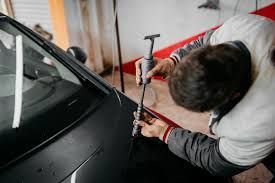
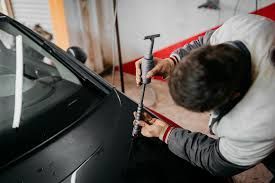
PDR restores dents without repainting. Technicians use rods, levers, and specialized tools to push the dent from behind or pull it from the outside.
Best for:
• Small to medium dents
• Hail damage
• Dents without paint cracks
Advantages:
Fast, affordable, environmentally friendly.
2. Traditional Dent Repair
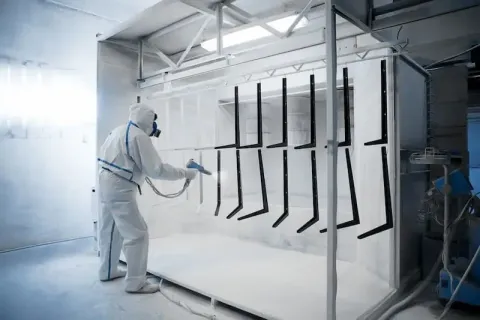
Traditional repair methods involve sanding, body filler, reshaping, priming, and repainting.
Best for:
• Deep dents
• Sharp creases
• Damage with paint cracking
Advantages:
Suitable for severe or complex dents.
3. Dent Pulling with Glue Tabs
Technicians attach glue tabs to the dent and pull it outward using controlled force. This method complements PDR for areas difficult to access.
Best for:
• Surface-level dents
• Large soft dents
4. Panel Replacement
When dents are too large or the metal is stretched beyond repair, replacing the entire panel may be necessary.
Best for:
• Collision damage
• Severely warped panels
5. Heat and Cold Treatments (Selective Methods)
Some repair techniques use controlled heating or cooling to soften metal and return it to shape. This must be done by professionals to avoid paint damage.
Comparison Table: Dent Repair Methods
| Repair Type | Ideal For | Cost Level | Time Required | Paint Needed |
|---|---|---|---|---|
| Paintless Dent Repair | Small to medium dents | Low to Medium | Short | No |
| Traditional Repair | Deep or complex dents | Medium to High | Moderate to Long | Yes |
| Glue Pulling | Accessible surface dents | Low to Medium | Short | No |
| Panel Replacement | Severe or large damage | High | Long | Yes |
| Heat/Cold Repair | Select cases | Medium | Variable | No |
Latest Trends and Innovations in Dent Repair
1. Advanced PDR Tools and Precision Techniques
New tools allow technicians to reach difficult areas and apply highly controlled pressure. This leads to faster repairs and better outcomes even for larger dents.
2. Smart Lighting Systems
Specialized lighting reveals surface imperfections so technicians can repair dents more accurately.
3. AI-Based Damage Estimation
Some service centers now use digital scanning and artificial intelligence to identify dent depth, shape, and required repair methods.
4. Eco-Friendly Materials
Environmentally conscious repair shops use low-VOC paints and recyclable materials for traditional repairs.
5. Mobile Repair Services
Technicians can repair small dents at the customer’s home or workplace, making dent repair more convenient.
6. Aluminum Panel Repair Advancements
Aluminum requires special tools and techniques because it behaves differently from steel. New training and equipment support better repairs on modern vehicles.
Key Features to Consider When Evaluating Dent Repair Services
1. Type of Damage
Identify whether the dent affects paint, involves sharp lines, or has internal structural damage.
2. Repair Method Options
Some dents are eligible for multiple repair techniques. Understanding each option helps avoid unnecessary costs.
3. Technician Skill Level
Dent repair requires precision and experience, especially for PDR.
4. Time and Availability
Some repairs can be completed the same day; others require more extensive work.
5. Cost Transparency
A clear breakdown of labor, materials, and methods helps avoid confusion.
6. Warranty or Guarantee
Some repair services offer limited guarantees for quality and durability.
7. Material Type: Steel vs. Aluminum
Aluminum dents differently and may require specialized repair methods.
Top Companies and Public Information Sources
Below are well-known companies providing dent repair or related resources. These links lead to publicly accessible information (not promotional endorsements).
| Company | Known For | Public Link |
|---|---|---|
| Dent Wizard | Paintless dent repair, hail restoration | https://www.dentwizard.com |
| Maaco | Traditional auto body repair and painting | https://www.maaco.com |
| Service King | Collision and dent repair | https://www.serviceking.com |
| Caliber Collision | Auto body repair and dent services | https://www.caliber.com |
| Carstar | Body repairs and dent services | https://www.carstar.com |
| Safelite | Minor body repairs and windscreen-related dent issues | https://www.safelite.com |
These companies provide general information on repair techniques, FAQs, and service details.
How to Choose the Right Dent Repair Option
Step 1: Assess the Dent
Consider size, location, depth, and whether the paint is damaged. Photos can help when seeking estimates.
Step 2: Evaluate Repair Methods
• PDR is best for paint-safe dents
• Traditional repair is best for deep or creased dents
• Panel replacement may be required for severe damage
Step 3: Compare Quotes
Prices vary based on technician experience, dent size, and vehicle type. Ensure quotes are detailed and transparent.
Step 4: Consider Repair Time
If you need quick service, PDR or glue pulling may be the most efficient.
Step 5: Confirm Experience and Tools
Ask whether the technician is trained in PDR, aluminum repair, or advanced techniques.
Step 6: Check Warranty and Reviews
Look for customer feedback and service guarantees that protect your investment.
Selection Checklist for Dent Repair
[ ] Dent size and depth assessed
[ ] Paint condition inspected
[ ] Repair method options reviewed
[ ] Technician qualifications verified
[ ] Equipment and tools suitable for dent type
[ ] Cost estimate received and compared
[ ] Repair time confirmed
[ ] Warranty details understood
[ ] Replacement parts considered if required
[ ] Long-term durability evaluated
Tips for Best Use and Maintenance After Dent Repair
1. Avoid Automatic Car Washes Immediately
Paint or repaired areas may need time to cure, especially after traditional dent repair.
2. Keep the Vehicle Clean
Dirt can hide new imperfections or slow down paint curing.
3. Park Carefully
Parking away from crowded areas, tight spots, or heavy pedestrian traffic reduces the risk of future dents.
4. Consider Protective Film
Clear protective films help absorb small impacts and reduce the chances of paint cracking.
5. Inspect Repairs Regularly
Look for any changes, such as paint flaking or metal flexing, especially during the first weeks.
6. Address New Dents Quickly
Prompt repair reduces long-term risk and prevents further damage.
FAQs About Dent Repair
1. Can all dents be fixed with paintless dent repair?
No. Dents with cracked paint, deep creases, or sharp edges often require traditional repair methods.
2. How long does dent repair take?
Small PDR repairs may take under an hour, while traditional repairs can take one to several days.
3. Is dent repair expensive?
Costs vary based on dent size, repair method, and location. PDR is usually more affordable.
4. Will the paint match after traditional repair?
Modern color-matching systems produce accurate results, but older paint may require blending for a seamless look.
5. Can I fix dents myself?
Small dents can be attempted with DIY kits, but incorrect techniques may cause stretching or paint damage.
6. Do dents affect vehicle resale value?
Yes. Buyers often use visible dents to negotiate lower prices, so repair can improve resale potential.
7. Does insurance cover dent repair?
Coverage depends on policy type and cause of damage. Hail damage, for example, is usually covered.
Conclusion: A Practical Takeaway
Dent repair is an important part of vehicle maintenance that supports appearance, value, and long-term durability. With modern techniques such as paintless dent repair, drivers now have access to faster, cost-effective solutions that protect their investment. Understanding the benefits, limitations, and types of dent repair helps users make thoughtful decisions that suit their goals, budget, and vehicle condition.
Whether dealing with a single parking lot dent, hail damage, or a more complex impact, knowing how dent repair works—and how to choose the right service—empowers vehicle owners to take care of their cars confidently and effectively.