A Clear and Practical Guide to Safe and Reliable Power Distribution
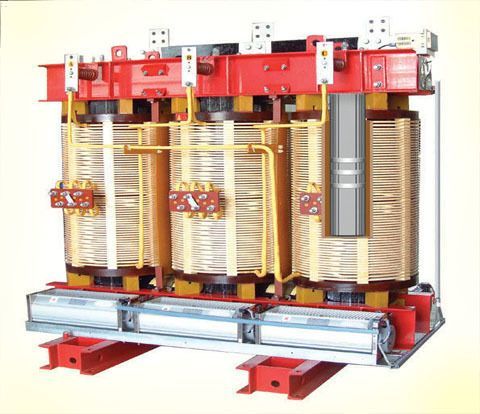
Dry transformers are electrical devices used to transfer electrical energy between circuits without using liquid insulation such as oil. Instead, they rely on air, epoxy resin, or solid insulation systems to provide electrical insulation and cooling. These transformers are commonly used in commercial buildings, industrial facilities, hospitals, data centers, renewable energy systems, and urban infrastructure. As safety, environmental concerns, and space constraints become more important in modern electrical installations, dry transformers are increasingly preferred over traditional oil-filled transformers. Their fire-resistant design, reduced maintenance needs, and suitability for indoor installation make them a practical solution for many applications. This guide explains dry transformers in a clear and user-focused way. It covers their benefits and limitations, types and categories, recent trends and innovations, key features to consider, leading manufacturers and information sources, guidance on choosing the right option, best-use and maintenance tips, frequently asked questions, and a practical conclusion.
Benefits of Dry Transformers
1. Improved Fire Safety
Dry transformers do not use flammable oil, reducing the risk of fire and making them suitable for indoor and densely populated environments.
2. Environmentally Friendly
Without oil, there is no risk of leakage or soil and water contamination, supporting environmentally responsible installations.
3. Low Maintenance Requirements
Dry transformers generally require less maintenance because there is no oil testing, filtering, or replacement involved.
4. Suitable for Indoor Installation
Their design allows installation inside buildings, close to load centers, which can reduce cable length and energy losses.
5. Reliable Performance
Modern insulation systems provide stable operation under varying load and environmental conditions.
6. Compact and Space-Efficient
Many dry transformers are designed to fit into limited spaces, especially in commercial or urban settings.
Limitations of Dry Transformers
1. Higher Initial Cost
Dry transformers often have a higher upfront cost compared to oil-filled alternatives of similar capacity.
2. Limited Cooling Capacity
Air-based cooling is less efficient than oil cooling, which can limit capacity in very high-power applications.
3. Sensitivity to Environmental Conditions
Dust, humidity, and ambient temperature can affect performance if not properly managed.
4. Noise Levels
Some dry transformers can produce audible noise, especially at higher loads.
5. Size at Higher Ratings
For large power ratings, dry transformers may be bulkier than oil-filled units.
Types and Categories of Dry Transformers
1. Cast Resin Transformers
These use epoxy resin to encapsulate the windings.
Common uses:
• Commercial buildings
• Hospitals
• Industrial facilities
Advantages:
• High moisture resistance
• Good mechanical strength
2. Vacuum Pressure Impregnated (VPI) Transformers
Windings are impregnated with insulating varnish under vacuum and pressure.
Common uses:
• Indoor industrial applications
• Controlled environments
Advantages:
• Good heat dissipation
• Lower cost than cast resin in some cases
3. Open Winding Dry Transformers
Windings are exposed and cooled by natural air circulation.
Common uses:
• Electrical rooms with controlled conditions
Limitations:
• Not suitable for dusty or humid environments
4. Enclosed Dry Transformers
Installed within protective enclosures to improve safety and environmental protection.
5. Isolation Transformers
Used to electrically isolate circuits for safety and noise reduction.
6. Auto Transformers (Dry Type)
Used for voltage adjustment where isolation is not required.
Comparison Table: Common Dry Transformer Types
| Type | Insulation Method | Environmental Resistance | Typical Applications |
|---|---|---|---|
| Cast Resin | Epoxy resin | High | Hospitals, buildings |
| VPI | Insulating varnish | Medium | Industrial indoor |
| Open Winding | Air | Low | Controlled rooms |
| Enclosed | Air or resin | Medium to high | Commercial sites |
| Isolation | Solid insulation | Medium | Safety applications |
| Auto Transformer | Solid insulation | Medium | Voltage regulation |
Latest Trends and Innovations in Dry Transformers
1. Energy-Efficient Core Materials
Improved magnetic core designs reduce energy losses and improve efficiency.
2. Advanced Insulation Systems
New resin and varnish formulations enhance thermal performance and durability.
3. Compact and Modular Designs
Modern dry transformers are designed for easier installation and scalability.
4. Noise Reduction Technologies
Optimized core construction and damping materials help reduce operational noise.
5. Smart Monitoring Integration
Sensors and digital monitoring systems allow real-time temperature and load tracking.
6. Increased Use in Renewable Energy
Dry transformers are widely used in solar and wind installations due to safety and environmental benefits.
7. Improved Fire and Safety Standards
Designs increasingly comply with stricter fire resistance and safety regulations.
Key Features to Consider When Evaluating Dry Transformers
1. Power Rating
Ensure the transformer capacity matches current and future load requirements.
2. Voltage Levels
Check primary and secondary voltage compatibility with the electrical system.
3. Insulation Class
Higher insulation classes allow operation at higher temperatures.
4. Cooling Method
Natural air cooling or forced air cooling affects performance and size.
5. Environmental Protection
Consider enclosure type and resistance to dust and moisture.
6. Efficiency and Losses
Lower no-load and load losses reduce operating costs.
7. Noise Level
Important for installations in offices, hospitals, or residential buildings.
8. Compliance and Standards
Transformers should meet relevant electrical and safety standards.
Leading Dry Transformer Manufacturers and Public Information Sources
The following companies are widely known for dry transformers and power distribution solutions. These links are provided for general information and technical reference, not endorsements.
| Company | Known For | Public Link |
|---|---|---|
| ABB | Power and distribution transformers | https://www.abb.com |
| Siemens Energy | Electrical infrastructure solutions | https://www.siemens-energy.com |
| Schneider Electric | Dry-type transformers and systems | https://www.se.com |
| Eaton | Power management solutions | https://www.eaton.com |
| GE Grid Solutions | Electrical equipment and transformers | https://www.gegridsolutions.com |
| TMC Transformers | Cast resin dry transformers | https://www.tmctransformers.com |
| Hammond Power Solutions | Dry-type power transformers | https://www.hammondpowersolutions.com |
How to Choose the Right Dry Transformer
Step 1: Define the Application
Identify whether the transformer is for commercial, industrial, renewable energy, or utility use.
Step 2: Calculate Load Requirements
Assess current demand and allow margin for future expansion.
Step 3: Determine Installation Environment
Indoor or outdoor location affects insulation type and enclosure needs.
Step 4: Select Transformer Type
Choose cast resin, VPI, or open winding based on environmental conditions.
Step 5: Evaluate Safety and Compliance
Ensure compliance with fire safety, electrical, and building regulations.
Step 6: Review Efficiency and Operating Costs
Lower losses lead to long-term energy savings.
Step 7: Check Service and Support Availability
Reliable service support ensures long-term reliability.
Selection Checklist for Dry Transformers
[ ] Application defined
[ ] Power rating calculated
[ ] Voltage requirements confirmed
[ ] Installation environment assessed
[ ] Transformer type selected
[ ] Cooling method reviewed
[ ] Efficiency and losses evaluated
[ ] Noise levels considered
[ ] Compliance with standards verified
[ ] Maintenance and service support available
Tips for Best Use and Maintenance of Dry Transformers
1. Maintain Proper Ventilation
Adequate airflow prevents overheating and ensures reliable operation.
2. Keep the Environment Clean
Dust and debris can affect insulation and cooling performance.
3. Monitor Load Levels
Avoid prolonged overloading, which can reduce transformer lifespan.
4. Inspect Connections Regularly
Loose connections can cause overheating and electrical faults.
5. Check Temperature Indicators
Regular temperature monitoring helps detect potential issues early.
6. Schedule Periodic Inspections
Routine checks ensure continued safe operation.
7. Follow Manufacturer Guidelines
Proper installation and operation are critical for long-term performance.
FAQs About Dry Transformers
1. What is a dry transformer?
A dry transformer is a transformer that uses air or solid insulation instead of oil.
2. Are dry transformers safer than oil-filled transformers?
They are generally considered safer due to reduced fire and environmental risks.
3. Can dry transformers be installed indoors?
Yes, they are commonly installed inside buildings.
4. Do dry transformers require less maintenance?
Yes, they typically require less maintenance than oil-filled transformers.
5. Are dry transformers suitable for outdoor use?
They can be used outdoors if properly enclosed and protected.
6. What is the lifespan of a dry transformer?
With proper installation and maintenance, they can last 20–30 years or more.
7. Are dry transformers energy efficient?
Modern dry transformers are designed to meet high efficiency standards.
Conclusion: A Practical Takeaway
Dry transformers are a reliable and safe solution for modern power distribution needs, especially where fire safety, environmental responsibility, and indoor installation are priorities. While they may involve higher initial costs and certain limitations in very high-power applications, their long-term benefits often outweigh these challenges.
By understanding the types of dry transformers, their advantages and limitations, key features, and selection considerations outlined in this guide, users can make informed decisions that align with technical requirements and operational goals. When properly selected, installed, and maintained, dry transformers provide dependable performance and support efficient electrical systems across a wide range of applications.