A Clear and Practical Guide to Mobile Lifting Solutions in Modern Worksites
Mobile cranes are essential lifting machines used across construction, infrastructure, manufacturing, energy, and logistics industries. Unlike fixed cranes, mobile cranes are designed to move easily between locations while still providing strong lifting capability. They combine mobility, flexibility, and lifting power, making them suitable for projects where setup time, space, and adaptability matter. From lifting heavy materials at construction sites to supporting maintenance work in industrial plants, mobile cranes are widely used due to their versatility. As projects become more complex and timelines tighter, understanding how mobile cranes work and how to select the right type has become increasingly important for planners, operators, and decision-makers. This guide explains mobile cranes in a clear, user-focused way, covering benefits, limitations, types, innovations, key features, leading manufacturers, selection tips, maintenance practices, common questions, and practical takeaways.
Benefits of Mobile Cranes
1. High Mobility
Mobile cranes are designed to travel on roads or within job sites, reducing the need for additional transport equipment. This allows faster relocation between tasks or sites.
2. Faster Setup Time
Compared to tower cranes or fixed lifting systems, mobile cranes generally require less assembly and can be operational within a short time.
3. Versatility Across Industries
Mobile cranes are used in construction, oil and gas, power plants, ports, wind energy, and emergency recovery operations.
4. Reduced Infrastructure Requirements
Most mobile cranes do not require permanent foundations, making them suitable for temporary or short-term projects.
5. Wide Lifting Range
With adjustable booms and attachments, mobile cranes can lift loads at varying heights and distances.
6. Efficient Use of Space
Mobile cranes can operate in areas with limited space where larger fixed cranes are impractical.
Limitations of Mobile Cranes
1. Load Capacity Constraints
While powerful, mobile cranes generally have lower maximum lifting capacities compared to large tower or crawler cranes.
2. Stability Requirements
Safe operation requires proper ground preparation and correct use of outriggers, especially when lifting heavy loads.
3. Operator Skill Dependency
Mobile crane operation demands trained and certified operators. Incorrect handling can lead to accidents.
4. Weather Sensitivity
Strong winds, rain, or uneven ground can limit lifting operations or reduce capacity.
5. Transport Regulations
Road-going mobile cranes must comply with local transport laws related to weight, size, and axle loads.
Types of Mobile Cranes
1. Truck-Mounted Cranes
These cranes are mounted on commercial truck chassis, allowing easy road travel.
Best suited for:
• Urban construction
• Short-distance lifting tasks
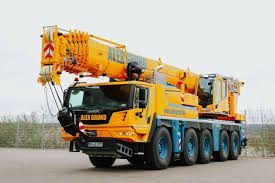
2. All-Terrain Cranes
Designed to operate both on public roads and rough terrain, these cranes combine mobility with strong lifting performance.
Best suited for:
• Infrastructure projects
• Large construction sites
3. Rough Terrain Cranes
Built specifically for off-road conditions, these cranes feature large tires and strong suspension systems.
Best suited for:
• Industrial sites
• Remote or uneven terrain
4. Crawler Cranes (Mobile Category)
While slower to move, crawler cranes can travel with loads on tracks and offer excellent stability.
Best suited for:
• Heavy lifting
• Long-term construction projects
5. Pick-and-Carry Cranes
These cranes can lift a load and move it over short distances without setting it down.
Best suited for:
• Factories
• Warehouses
• Industrial maintenance
6. City and Compact Cranes
Small mobile cranes designed for confined urban spaces or indoor use.
Best suited for:
• Tight access areas
• Indoor lifting
Comparison Table: Common Mobile Crane Types
| Crane Type | Mobility | Load Capacity | Terrain Suitability | Typical Use |
|---|---|---|---|---|
| Truck-Mounted | High | Medium | Roads and flat sites | Urban projects |
| All-Terrain | High | High | Roads and rough terrain | Large construction |
| Rough Terrain | Medium | Medium | Off-road | Industrial sites |
| Crawler | Low | Very High | Uneven ground | Heavy lifting |
| Pick-and-Carry | Medium | Medium | Flat industrial areas | Plant operations |
| Compact/City | High | Low to Medium | Confined spaces | Indoor or urban work |
Latest Trends and Innovations in Mobile Cranes
1. Advanced Load Monitoring Systems
Modern mobile cranes use digital load indicators and sensors to prevent overloading and improve safety.
2. Automation and Operator Assistance
Features such as automatic boom positioning, swing control, and anti-sway technology reduce operator workload and improve accuracy.
3. Hybrid and Electric Mobile Cranes
To reduce emissions and noise, manufacturers are introducing hybrid and fully electric models, especially for urban or indoor use.
4. Telematics and Remote Monitoring
Fleet managers can track crane usage, performance, maintenance needs, and location through cloud-based platforms.
5. Improved Crane Control Interfaces
Touchscreen displays, ergonomic controls, and intuitive software improve usability and reduce training time.
6. Lightweight High-Strength Materials
Use of advanced steel alloys allows cranes to lift more while staying within transport limits.
7. Enhanced Safety Features
Modern cranes include zone control, collision prevention systems, and real-time wind speed monitoring.
Key Features to Consider When Evaluating a Mobile Crane
1. Maximum Lifting Capacity
Understand the maximum load the crane can lift at various boom lengths and radii.
2. Boom Length and Configuration
Telescopic or lattice booms affect reach, height, and setup flexibility.
3. Outrigger System
Outriggers provide stability. Consider their spread, setup time, and suitability for the site.
4. Mobility and Transport Requirements
Check road travel speed, axle loads, and compliance with local regulations.
5. Terrain Capability
Choose cranes with suitable tires, suspension, or tracks for the operating environment.
6. Operator Cab Design
Comfort, visibility, and control layout impact productivity and safety.
7. Safety Systems
Features such as overload protection, emergency stop functions, and wind alarms are critical.
8. Maintenance Access
Easy access to engines, hydraulics, and electrical systems reduces downtime.
Top Mobile Crane Manufacturers and Public Information Sources
The following companies are well known in the mobile crane industry. These links lead to publicly accessible information and technical resources (not endorsements).
| Company | Known For | Public Link |
|---|---|---|
| Liebherr | All-terrain and crawler cranes | https://www.liebherr.com |
| Terex | Mobile and rough terrain cranes | https://www.terex.com |
| Tadano | Truck-mounted and all-terrain cranes | https://www.tadano.com |
| Manitowoc | Heavy-duty crawler and mobile cranes | https://www.manitowoc.com |
| XCMG | Wide range of mobile cranes | https://www.xcmg.com |
| SANY | Mobile and crawler crane solutions | https://www.sanyglobal.com |
| Zoomlion | Construction and lifting machinery | https://www.zoomlion.com |
These sites provide specifications, safety guidelines, and educational materials.
How to Choose the Right Mobile Crane
Step 1: Define the Lifting Task
Identify load weight, size, lifting height, and reach requirements.
Step 2: Evaluate the Worksite
Assess ground conditions, space constraints, access routes, and weather exposure.
Step 3: Select the Appropriate Crane Type
Match the crane type to terrain, mobility needs, and project duration.
Step 4: Review Load Charts Carefully
Load charts show safe lifting limits under specific configurations and conditions.
Step 5: Consider Transport and Setup Time
Faster setup can reduce project delays and labor costs.
Step 6: Check Regulatory Compliance
Ensure the crane meets local safety standards, inspection rules, and operator certification requirements.
Step 7: Compare Ownership vs Rental
Short-term projects may benefit from rental, while long-term use may justify ownership.
Selection Checklist for Mobile Cranes
[ ] Load weight and dimensions identified
[ ] Required lifting height and radius calculated
[ ] Crane type selected
[ ] Ground and access conditions assessed
[ ] Load charts reviewed
[ ] Safety systems evaluated
[ ] Transport and setup requirements confirmed
[ ] Operator training needs identified
[ ] Maintenance and service support considered
[ ] Compliance with local regulations verified
[ ] Budget and project timeline aligned
Tips for Best Use and Maintenance of Mobile Cranes
1. Conduct Pre-Operation Inspections
Check outriggers, tires, hydraulic systems, brakes, and controls before use.
2. Follow Load Charts Strictly
Never exceed rated capacities, especially at extended boom lengths.
3. Prepare the Ground Properly
Use mats or pads to distribute weight and prevent ground failure.
4. Monitor Weather Conditions
High winds and poor visibility increase risk and may require work suspension.
5. Train and Certify Operators
Well-trained operators reduce accidents and improve productivity.
6. Schedule Preventive Maintenance
Regular servicing of engines, hydraulics, and electrical systems prevents breakdowns.
7. Keep Detailed Maintenance Records
Accurate records support compliance and improve resale value.
FAQs About Mobile Cranes
1. What makes a crane “mobile”?
A mobile crane can move easily between sites or within a work area without permanent installation.
2. Are mobile cranes suitable for heavy lifting?
Yes, but capacity depends on crane type. Crawler cranes handle heavier loads than most truck-mounted cranes.
3. Do mobile cranes need outriggers?
Most mobile cranes use outriggers to maintain stability during lifting operations.
4. How often should mobile cranes be inspected?
Daily checks are common, with detailed inspections conducted periodically according to regulations.
5. Can mobile cranes operate on public roads?
Truck-mounted and all-terrain cranes are designed for road travel, subject to local transport rules.
6. Are mobile cranes safe in urban areas?
Yes, when properly planned, operated by trained personnel, and supported by safety measures.
7. Is renting a mobile crane a good option?
Renting is often suitable for short-term or specialized projects where ownership is not practical.
Conclusion: A Practical Takeaway
Mobile cranes are vital tools that balance lifting power with mobility and flexibility. They support a wide range of industries by enabling safe and efficient lifting in diverse environments. While they come with limitations related to load capacity, stability, and operator skill, careful planning and proper selection can address these challenges.
By understanding the types of mobile cranes, key features, innovations, and safe operating practices discussed in this guide, users can make informed decisions that match their project requirements. Whether used for short-term lifting tasks or long-term construction projects, mobile cranes remain an essential part of modern infrastructure and industrial operations.