A Clear and Practical Guide to Planning Functional, Comfortable Spaces
Room layouts play a central role in how people experience and use indoor spaces. Whether in homes, offices, hotels, classrooms, or healthcare facilities, the way a room is arranged affects comfort, movement, productivity, and overall usability. A well-planned layout supports daily activities naturally, while a poorly planned one can feel cramped, confusing, or inefficient. Room layouts are not only about furniture placement. They involve understanding space flow, lighting, storage, accessibility, and the purpose of each room. As lifestyles and work patterns evolve, room layouts have also adapted to support flexibility, technology use, and shared activities. Understanding different layout options helps people make informed decisions when designing, renovating, or reorganizing a space. This guide explains room layouts in a user-focused and easy-to-understand way, covering benefits, limitations, types, trends, key features, available tools and resources, selection tips, maintenance guidance, common questions, and practical takeaways.
Benefits of Well-Planned Room Layouts
1. Improved Functionality
A thoughtful layout ensures that each area of a room serves its intended purpose. This makes everyday activities easier and more intuitive.
2. Better Space Utilization
Good layouts help maximize usable space, especially in small rooms or shared environments.
3. Enhanced Comfort and Flow
Clear pathways and balanced furniture placement allow for easy movement and reduce visual clutter.
4. Increased Productivity
In workspaces, room layouts can improve focus, collaboration, and efficiency by reducing distractions and supporting task-specific zones.
5. Visual Balance and Harmony
Proper layouts create a sense of order and calm by balancing furniture size, placement, and proportions.
6. Adaptability to Changing Needs
Flexible layouts allow rooms to serve multiple purposes over time, such as work-from-home or guest use.
Limitations of Room Layouts
1. Space Constraints
Room size, shape, and fixed elements like windows or doors may limit layout options.
2. Structural Restrictions
Load-bearing walls, columns, and built-in fixtures can restrict major layout changes.
3. Budget Considerations
Rearranging layouts may require new furniture, storage solutions, or renovations.
4. Learning Curve
Planning an effective layout can take time, especially without experience in spatial design.
5. Changing Usage Patterns
Layouts that work well today may not suit future needs without adjustments.
Types of Room Layouts
1. Open-Plan Layout
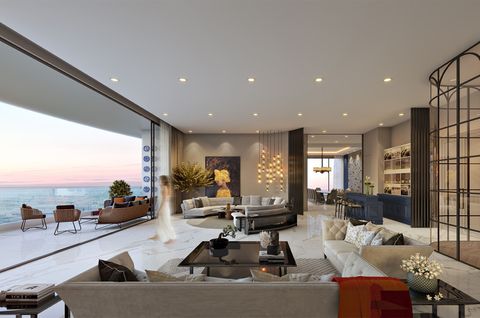
Open layouts combine multiple functions, such as living, dining, and kitchen areas, into one open space.
Common uses:
• Modern homes
• Offices
• Studios
2. Closed or Traditional Layout
Rooms are separated by walls and doors, offering privacy and defined spaces.
Common uses:
• Older homes
• Bedrooms
• Offices requiring focus
3. Zonal Layout
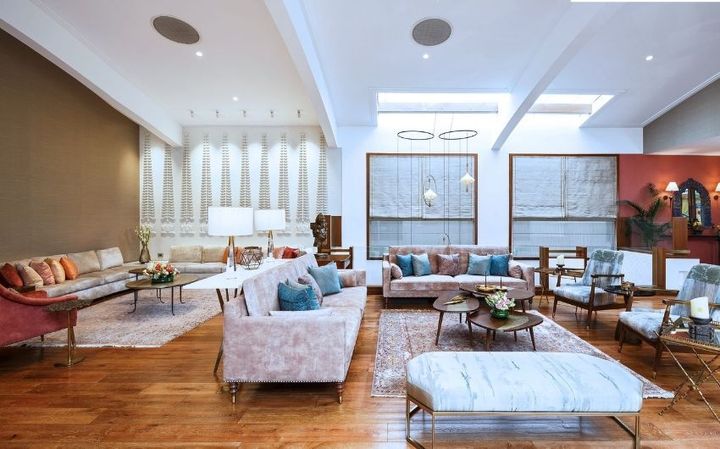
A single room is divided into zones using furniture, rugs, or lighting rather than walls.
Common uses:
• Living rooms
• Open offices
• Multipurpose spaces
4. Linear Layout
Furniture and features are arranged along one or two walls.
Common uses:
• Narrow rooms
• Kitchens
• Hallways
5. Centralized Layout
A key element such as a table, bed, or seating area forms the center of the room.
Common uses:
• Dining rooms
• Meeting rooms
• Living areas
6. L-Shaped Layout
Furniture follows the shape of two connected walls.
Common uses:
• Living rooms
• Kitchens
• Family rooms
7. U-Shaped Layout
Furniture or work surfaces surround the user on three sides.
Common uses:
• Kitchens
• Home offices
• Control rooms
8. Flexible or Modular Layout
Movable furniture allows the room to change function easily.
Common uses:
• Co-working spaces
• Classrooms
• Small apartments
Comparison Table: Common Room Layout Types
| Layout Type | Privacy Level | Flexibility | Best For |
|---|---|---|---|
| Open-Plan | Low | High | Social and shared spaces |
| Closed | High | Low | Private or quiet rooms |
| Zonal | Medium | High | Multi-use rooms |
| Linear | Medium | Low | Narrow or long rooms |
| Centralized | Medium | Medium | Social or meeting spaces |
| L-Shaped | Medium | Medium | Balanced living areas |
| U-Shaped | Medium | Low | Task-focused rooms |
| Modular | Medium | Very High | Changing needs |
Latest Trends and Innovations in Room Layouts
1. Multi-Functional Spaces
Rooms increasingly serve more than one purpose, such as living rooms that double as workspaces.
2. Flexible and Modular Furniture
Foldable desks, movable partitions, and stackable seating support adaptable layouts.
3. Minimalist Design Approach
Simplified layouts reduce clutter and focus on essential furniture and circulation space.
4. Technology-Integrated Layouts
Room designs now account for charging stations, smart devices, screens, and cable management.
5. Wellness-Focused Layouts
Layouts prioritize natural light, airflow, quiet zones, and ergonomic furniture.
6. Remote Work-Friendly Design
Home layouts now often include designated work areas with visual and acoustic separation.
7. Inclusive and Accessible Layouts
Designers increasingly consider mobility needs, clearances, and universal access.
Key Features to Consider When Planning Room Layouts
1. Room Purpose
Define what the room is mainly used for and what secondary functions it may support.
2. Size and Shape
Measure dimensions accurately and consider ceiling height, corners, and alcoves.
3. Traffic Flow
Ensure clear paths for movement between doors, windows, and key furniture pieces.
4. Furniture Scale
Choose furniture that fits the room without overwhelming or underutilizing space.
5. Lighting Placement
Natural and artificial lighting affect how layouts feel and function.
6. Storage Needs
Built-in or movable storage helps keep layouts organized and uncluttered.
7. Flexibility
Consider how easily the layout can be adjusted for future needs.
8. Acoustic Considerations
Soft furnishings, rugs, and layout positioning help manage sound.
Tools, Platforms, and Public Resources for Room Layout Planning
The following tools and platforms provide publicly accessible resources for planning and visualizing room layouts. These are informational references, not endorsements.
| Tool or Platform | Known For | Public Link |
|---|---|---|
| Roomstyler | Online room layout visualization | https://roomstyler.com |
| Planner 5D | Floor plans and interior layouts | https://planner5d.com |
| SketchUp | 3D design and layout planning | https://www.sketchup.com |
| IKEA Planning Tools | Furniture-based layout planning | https://www.ikea.com |
| Floorplanner | Simple room and floor plan tools | https://floorplanner.com |
| Sweet Home 3D | Open-source interior design software | https://www.sweethome3d.com |
How to Choose the Right Room Layout
Step 1: Define Your Needs
List primary and secondary activities that will take place in the room.
Step 2: Measure the Space
Accurate measurements prevent layout issues and furniture misfits.
Step 3: Identify Fixed Elements
Note the location of doors, windows, electrical points, and structural features.
Step 4: Choose a Suitable Layout Type
Match layout style to room purpose, privacy needs, and flexibility requirements.
Step 5: Plan Furniture Placement
Start with larger items, then add supporting furniture.
Step 6: Test Movement and Sightlines
Ensure comfortable circulation and clear views where needed.
Step 7: Allow for Change
Design layouts that can evolve as needs change.
Selection Checklist for Room Layouts
[ ] Room purpose clearly defined
[ ] Accurate measurements taken
[ ] Fixed elements identified
[ ] Layout type selected
[ ] Furniture size and scale checked
[ ] Clear movement paths planned
[ ] Lighting considerations addressed
[ ] Storage needs included
[ ] Flexibility for future use considered
[ ] Accessibility and comfort reviewed
Tips for Best Use and Maintenance of Room Layouts
1. Review Layout Periodically
Reassess layouts as usage patterns change.
2. Avoid Overcrowding
Leaving open space improves comfort and usability.
3. Keep Pathways Clear
Clear movement paths reduce accidents and improve flow.
4. Adjust Lighting as Needed
Reposition lamps or add task lighting to suit layout changes.
5. Maintain Furniture Condition
Well-maintained furniture supports long-term layout effectiveness.
6. Declutter Regularly
Removing unused items helps preserve the intended layout.
7. Test Before Finalizing
Temporary arrangements help identify issues before permanent changes.
FAQs About Room Layouts
1. What is the most important factor in room layout planning?
The intended use of the room is the most important factor.
2. Can small rooms have flexible layouts?
Yes. Modular furniture and zoning techniques work well in small spaces.
3. How much space should be left for walkways?
Clear walkways generally range from 30 to 36 inches, depending on usage.
4. Are open layouts always better?
Not always. Open layouts suit social spaces, while closed layouts support privacy.
5. How often should room layouts be updated?
Layouts can be reviewed annually or whenever room usage changes.
6. Can one room support multiple layouts?
Yes. Flexible furniture and zoning allow rooms to adapt.
7. Do room layouts affect mood and productivity?
Yes. Layouts influence light, noise, and comfort, which affect mood and focus.
Conclusion: A Practical Takeaway
Room layouts are a foundational part of functional and comfortable spaces. They shape how people move, interact, work, and relax within a room. While layout planning involves constraints such as room size and fixed elements, thoughtful design choices can significantly improve usability and comfort.
By understanding layout types, trends, key features, and planning strategies outlined in this guide, users can make informed decisions that align with their needs and lifestyles. Whether redesigning a single room or planning an entire space, a well-considered room layout supports long-term satisfaction and adaptability.