Guide to CNC Machining Technology for Efficient Manufacturing Operations
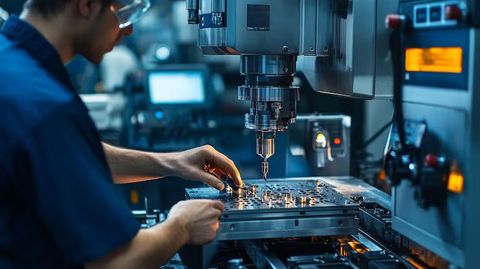
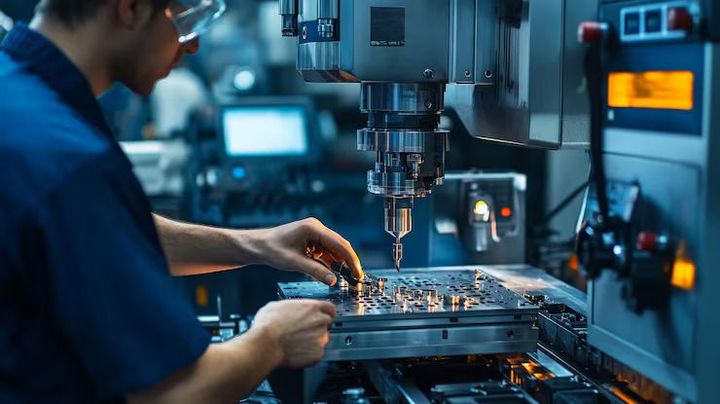
CNC (Computer Numerical Control) machining technology refers to automated manufacturing processes that use programmed computer instructions to control machine tools. These machines perform operations such as milling, turning, drilling, cutting, and shaping materials including metals, plastics, composites, and alloys.
CNC machining exists because traditional manual machining methods cannot consistently achieve the precision, repeatability, and production speed required in modern industries. As product designs became more complex and tolerances tighter, automated machining systems were developed to convert digital design data into precise mechanical actions.
Today, CNC machining is widely applied in automotive manufacturing, aerospace engineering, electronics production, medical device fabrication, and industrial equipment manufacturing.
Importance: Why CNC Machining Matters for Efficient Operations
CNC machining technology is central to efficient manufacturing operations due to its precision and scalability.
This topic is relevant to:
-
Manufacturing engineers
-
Production managers
-
Precision machining workshops
-
Industrial automation specialists
CNC machining helps solve challenges such as inconsistent manual production, complex geometry fabrication, and high rejection rates. Automated control ensures each part meets design specifications with minimal variation.
In competitive manufacturing environments, efficient machining operations reduce downtime, improve throughput, and support consistent product quality.
Core Types of CNC Machines
CNC machining technology includes multiple machine types designed for different applications.
CNC Milling Machines
Use rotating cutting tools to remove material from a stationary workpiece. Suitable for complex shapes and multi-axis machining.
CNC Lathes (Turning Centers)
Rotate the workpiece while a stationary cutting tool shapes cylindrical components.
CNC Drilling Machines
Perform precise hole-making operations in various materials.
Multi-Axis CNC Machines
Advanced systems capable of 4-axis or 5-axis machining for intricate designs.
The table below summarizes common machine types:
| CNC Machine Type | Primary Operation | Typical Use |
|---|---|---|
| CNC Milling | Surface shaping and slotting | Complex components |
| CNC Lathe | Cylindrical shaping | Shafts and round parts |
| CNC Drilling | Hole creation | Structural parts |
| Multi-axis CNC | Advanced contouring | Aerospace components |
Selecting the correct machine type supports optimal efficiency.
How CNC Machining Technology Works
CNC machining follows a digital-to-physical workflow.
Design phase
Computer-Aided Design (CAD) software creates a digital model.
Programming phase
Computer-Aided Manufacturing (CAM) software generates G-code instructions.
Machine setup
Operators install tools and secure raw materials.
Automated machining
The CNC system executes programmed movements.
Inspection and quality control
Finished components are measured for dimensional accuracy.
This structured workflow ensures repeatability and precision.
Role of CNC Machining in Manufacturing Operations
CNC machining supports various production strategies.
High-volume production
Ensures consistent output across batches.
Prototype development
Enables rapid iteration of product designs.
Custom manufacturing
Supports specialized and small-batch components.
Integrated production lines
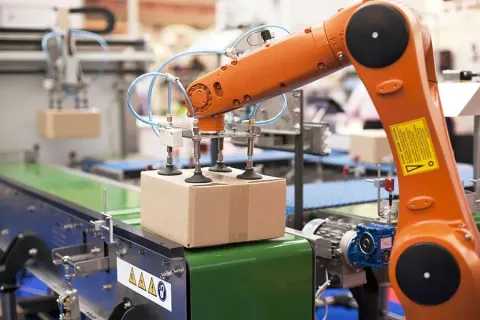
Works alongside robotics and automated material handling systems.
These applications demonstrate CNC technology’s versatility.
Key Components of CNC Machining Systems
CNC machines consist of several integrated elements.
CNC controller
Processes G-code and coordinates machine movements.
Drive motors and actuators
Control axis positioning and tool movement.
Cutting tools and tool holders
Perform material removal operations.
Feedback sensors
Monitor position, speed, and operational performance.
The table below outlines essential components:
| Component | Function |
|---|---|
| CNC controller | Process execution |
| Drive motors | Precision movement |
| Cutting tools | Material shaping |
| Sensors | Performance monitoring |
Each component contributes to machining accuracy and efficiency.
Strategies for Improving Efficiency in CNC Operations
Efficient CNC machining depends on optimized workflows.
Tool path optimization
Minimize unnecessary movement to reduce cycle time.
High-speed machining techniques
Increase material removal rates.
Preventive maintenance scheduling
Reduce unexpected downtime.
Automation integration
Combine CNC with robotic loading systems.
Real-time monitoring systems
Identify inefficiencies quickly.
Implementing these strategies enhances operational performance.
Recent Updates and Industry Trends (2025–2026)
CNC machining technology continues evolving with digital manufacturing advancements.
AI-assisted tool path optimization (2025)
Artificial intelligence improved cutting efficiency and reduced waste.
IoT-enabled machine monitoring
Smart sensors enhanced predictive maintenance.
Hybrid manufacturing systems
Integrated additive and subtractive processes gained attention.
Energy-efficient drive systems
By late 2025, advanced motor systems improved power efficiency.
The table below highlights recent trends:
| Trend Area | Observed Direction |
|---|---|
| Intelligence | AI optimization |
| Connectivity | IoT machine integration |
| Manufacturing | Hybrid systems |
| Sustainability | Energy-efficient drives |
These innovations support smarter and more sustainable machining operations.
Laws, Regulations, and Compliance Considerations
CNC machining operations must comply with industrial standards.
Machine safety regulations
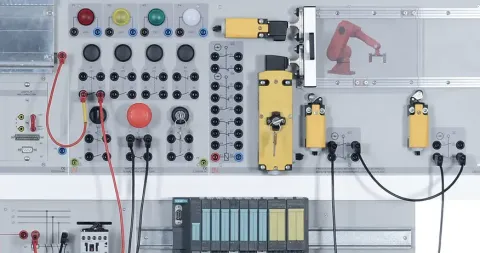
Protective guards and emergency stop systems are required.
Workplace safety standards
Operators must follow proper safety procedures.
Quality assurance standards
Parts must meet certified dimensional and material specifications.
Environmental regulations
Coolant disposal and waste management must follow guidelines.
Compliance ensures safe and responsible manufacturing practices.
Tools and Resources for CNC Machining Management
Several tools support effective CNC operations.
CAD/CAM software platforms
Enable design and programming.
Simulation tools
Validate machining paths before production.
Precision measuring instruments
Ensure dimensional accuracy.
Machine performance dashboards
Monitor uptime and productivity.
Maintenance management systems
Schedule servicing and calibration.
These resources improve operational oversight and quality control.
Operational Considerations for Implementation
Successful CNC machining requires structured planning.
Proper machine selection
Match equipment capability with production needs.
Regular calibration
Maintain machining precision.
Operator training
Ensure safe and effective machine operation.
Integration with automation systems
Enhance production flow efficiency.
Attention to these factors supports long-term operational reliability.
FAQs About CNC Machining Technology
What is CNC machining technology?
It is an automated manufacturing process controlled by computer-programmed instructions.
How does CNC improve manufacturing efficiency?
It provides precision, repeatability, and reduced manual intervention.
Are CNC machines suitable for complex parts?
Yes, especially multi-axis machines designed for intricate geometries.
What is G-code?
A programming language used to control CNC machine movements.
Can CNC machines integrate with smart factories?
Yes, modern systems support digital monitoring and automation integration.
Conclusion
CNC machining technology is a cornerstone of efficient manufacturing operations. By transforming digital designs into precise mechanical actions, CNC systems enable consistent quality, scalable production, and reduced operational variability.
Understanding machine types, workflow processes, efficiency strategies, recent technological developments, regulatory requirements, and supporting management tools provides a comprehensive framework for effective implementation. As digital transformation accelerates across industries, CNC machining continues to evolve with intelligent automation and sustainable manufacturing practices.
With proper planning, integration, and maintenance, CNC machining technology supports reliable, high-performance industrial production systems.