AI CRM Platforms Explained for Smarter Customer Management
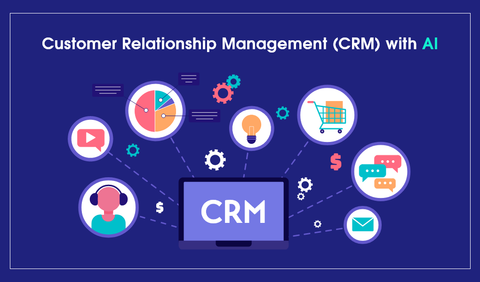
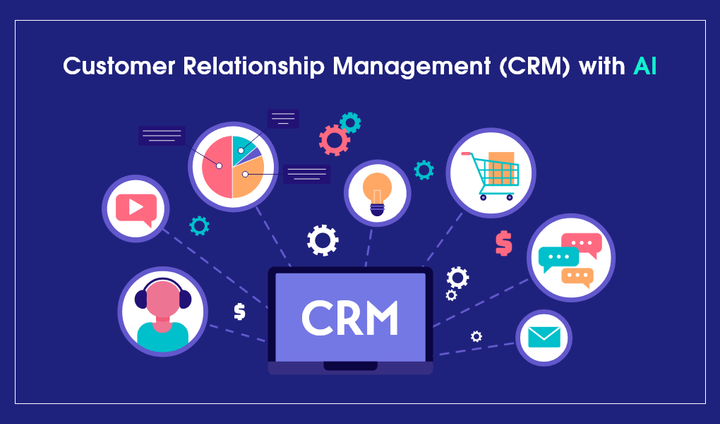
AI CRM platforms are customer relationship management systems that use artificial intelligence to collect, organize, analyze, and act on customer data more efficiently. Traditional CRM systems were created to store customer information, track interactions, and manage sales or service activities. As customer data volumes increased and customer behavior became more complex, manual analysis and rule-based systems were no longer sufficient.
AI CRM platforms exist to address this complexity. By using machine learning, data analytics, and automation, these platforms help organizations understand customer behavior patterns, predict needs, and improve interactions across channels. Instead of only recording past actions, AI-powered CRM systems are designed to support smarter, data-driven decisions.
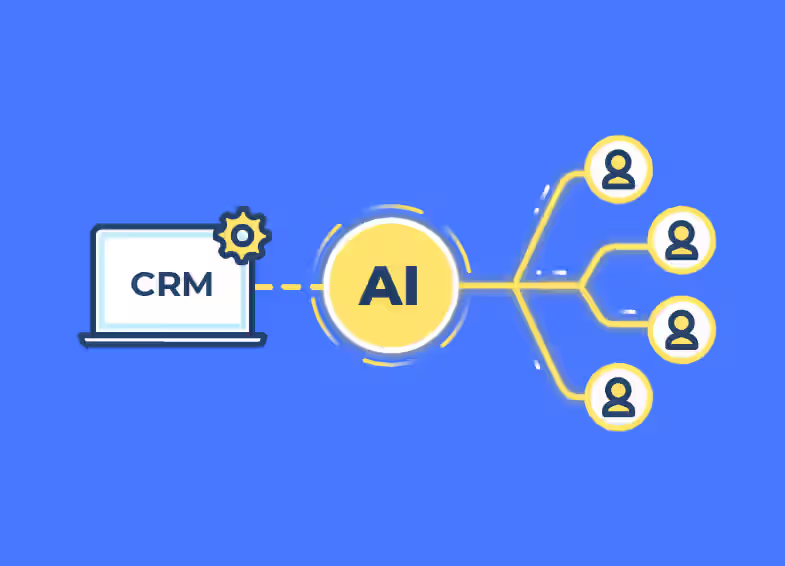
Today, AI CRM platforms are used by organizations of all sizes across industries such as retail, services, finance, healthcare, education, and technology. They support more organized, responsive, and informed customer management.
Importance
AI CRM platforms matter because customer expectations have changed. Customers now interact with organizations across multiple touchpoints and expect consistent, timely, and relevant experiences. Managing these interactions manually is difficult and often inefficient.
Why this topic matters today
Several trends have increased the importance of AI CRM platforms:
-
Rapid growth in digital customer interactions
-
Increased volume of customer data from multiple channels
-
Higher expectations for personalization and responsiveness
-
Need for better forecasting and planning
AI CRM platforms help organizations respond to these challenges by improving visibility, accuracy, and efficiency in customer management.
Who AI CRM platforms affect
-
Sales and marketing teams
-
Customer support and service teams
-
Business owners and managers
-
Customers interacting with organizations
Understanding AI CRM platforms helps stakeholders align customer data with business goals.
What AI CRM Platforms Do
AI CRM platforms combine traditional CRM functions with artificial intelligence capabilities.
Core functions of AI CRM platforms
-
Centralize customer data
-
Analyze customer behavior and patterns
-
Automate routine customer-related tasks
-
Support predictive insights and recommendations
The table below summarizes key functions.
| Function | Purpose |
|---|---|
| Data centralization | Single customer view |
| Behavior analysis | Understand patterns |
| Automation | Reduce manual work |
| Predictive insights | Support planning |
These functions help organizations manage customer relationships more effectively.
How AI CRM Platforms Work
AI CRM platforms process large amounts of structured and unstructured data to generate insights.
Basic working process
-
Customer data is collected from multiple sources
-
Data is cleaned and organized within the CRM
-
AI models analyze patterns and trends
-
Insights and suggestions are generated
-
Teams use insights to guide actions
The table below outlines major components.
| Component | Role |
|---|---|
| Data sources | Collect interactions |
| AI models | Analyze patterns |
| CRM database | Store information |
| Dashboards | Display insights |
| Automation tools | Trigger actions |
This workflow supports smarter decision-making.
Types of AI Features in CRM Platforms
AI CRM platforms include different types of intelligence features.
Predictive analytics
Predictive tools analyze past data to forecast future customer behavior, such as likelihood of response or churn.
Automation and workflow intelligence
AI automates repetitive tasks such as data entry, follow-ups, and categorization of customer queries.
Natural language processing
NLP allows systems to understand customer messages, emails, or chat interactions.
Recommendation engines
These features suggest next best actions, communication timing, or customer segments.
The table below compares feature categories.
| AI Feature | Primary Benefit |
|---|---|
| Predictive analytics | Better forecasting |
| Automation | Time savings |
| NLP | Improved understanding |
| Recommendations | Guided decisions |
Each feature contributes to smarter customer management.
Role of AI CRM in Sales Management
AI CRM platforms support sales teams by improving focus and prioritization.
Sales-related benefits
-
Identify high-potential leads
-
Predict deal outcomes
-
Track customer engagement trends
-
Reduce administrative workload
The table below shows sales impact.
| Sales Area | Impact |
|---|---|
| Lead scoring | Improved focus |
| Forecasting | Better planning |
| Follow-ups | Timely actions |
AI helps sales teams spend more time on meaningful interactions.
Role of AI CRM in Marketing Management
Marketing teams use AI CRM platforms to understand and segment audiences.
Marketing-related benefits
-
Smarter customer segmentation
-
Personalized campaign insights
-
Performance analysis across channels
The table below highlights marketing use.
| Marketing Task | Benefit |
|---|---|
| Segmentation | Targeted messaging |
| Analysis | Data-driven planning |
| Optimization | Improved efficiency |
AI-driven insights support more relevant communication.
Role of AI CRM in Customer Support
Customer service teams rely on AI CRM platforms for faster and more consistent responses.
Support-related benefits
-
Intelligent ticket routing
-
Faster issue identification
-
Consistent service history access
The table below summarizes support impact.
| Support Area | Result |
|---|---|
| Response time | Reduced |
| Case management | Organized |
| Customer satisfaction | Improved |
AI helps maintain service quality at scale.
Data Quality and Customer Insights
AI CRM platforms depend on accurate data.
How AI improves data use
-
Detects duplicate or incomplete records
-
Identifies meaningful trends
-
Highlights unusual patterns
The table below shows data benefits.
| Data Aspect | Outcome |
|---|---|
| Accuracy | Reliable insights |
| Consistency | Better reporting |
| Visibility | Clear customer view |
Clean data supports confident decisions.
Recent Updates
AI CRM platforms have continued to evolve over the past year.
Notable developments during 2024–2025
-
In March 2024, wider use of generative AI for CRM insights and summaries
-
In August 2024, stronger focus on explainable AI and transparency
-
By January 2025, deeper integration of CRM platforms with analytics and communication tools
These updates focus on usability, trust, and smarter automation.
Automation and Productivity Gains
Automation is a key advantage of AI CRM platforms.
Common automated activities
-
Data entry and updates
-
Lead assignment
-
Task reminders
-
Interaction summaries
The table below highlights productivity impact.
| Task | Automation Benefit |
|---|---|
| Data handling | Time savings |
| Follow-ups | Consistency |
| Reporting | Faster insights |
Automation reduces manual effort and errors.
Personalization and Customer Experience
AI CRM platforms support personalized interactions.
How personalization works
-
Analyze customer preferences
-
Track interaction history
-
Suggest relevant content or actions
Personalization improves engagement without relying on guesswork.
Challenges and Limitations
AI CRM platforms also have challenges.
Common challenges
-
Data privacy concerns
-
Integration with existing systems
-
Learning curve for teams
-
Dependence on data quality
The table below summarizes challenges.
| Challenge | Impact |
|---|---|
| Data quality | Insight accuracy |
| Integration | Setup complexity |
| Skills | Training needs |
Awareness of limitations supports realistic expectations.
Laws or Policies
AI CRM platforms are influenced by data protection and technology regulations.
In India
-
Data protection laws govern customer data use
-
IT and cybersecurity regulations apply to digital platforms
-
Consumer protection rules affect communication practices
General regulatory considerations
-
Data consent and transparency
-
Secure storage and access control
-
Responsible use of automated decision-making
Compliance supports ethical and lawful CRM use.
Data Privacy and Ethical Use
Ethical use of AI CRM platforms is increasingly important.
Key principles
-
Respect customer consent
-
Avoid misuse of personal data
-
Ensure transparency in automated decisions
Responsible practices help build long-term trust.
Integration With Other Business Systems
AI CRM platforms often connect with other tools.
Common integrations
-
Email and communication platforms
-
Marketing automation tools
-
Analytics and reporting systems
-
Support and ticketing software
Integration creates a unified customer management environment.
Tools and Resources
Several tools and resources help organizations understand and use AI CRM platforms.
Planning and evaluation tools
-
CRM requirement checklists
-
Data readiness assessment templates
-
Customer journey mapping tools
Learning and reference resources
-
AI and CRM knowledge guides
-
Data privacy and compliance documentation
-
Digital transformation case studies
Operational resources
-
User training materials
-
CRM performance dashboards
-
Process documentation templates
These resources support effective adoption.
Comparing Traditional CRM and AI CRM
| Aspect | Traditional CRM | AI CRM |
|---|---|---|
| Data analysis | Manual | Automated |
| Insights | Descriptive | Predictive |
| Automation | Limited | Advanced |
| Scalability | Moderate | High |
This comparison highlights the added intelligence of AI CRM platforms.
FAQs
What is an AI CRM platform?
It is a CRM system that uses artificial intelligence to analyze data and support smarter customer management.
Are AI CRM platforms only for large businesses?
No. They are used by small, medium, and large organizations.
Do AI CRM platforms replace human decision-making?
They support decisions but do not replace human judgment.
Is customer data safe in AI CRM platforms?
Data safety depends on platform security and compliance practices.
Can AI CRM platforms improve customer experience?
They can help provide more timely and relevant interactions.
Final Thoughts
AI CRM platforms represent an important step forward in how organizations manage customer relationships. By combining centralized data with intelligent analysis and automation, they help teams understand customers more clearly and respond more effectively.
Understanding how AI CRM platforms work, their benefits, limitations, and regulatory context allows organizations to adopt them responsibly. Rather than focusing only on technology, successful use depends on data quality, ethical practices, and clear business goals.