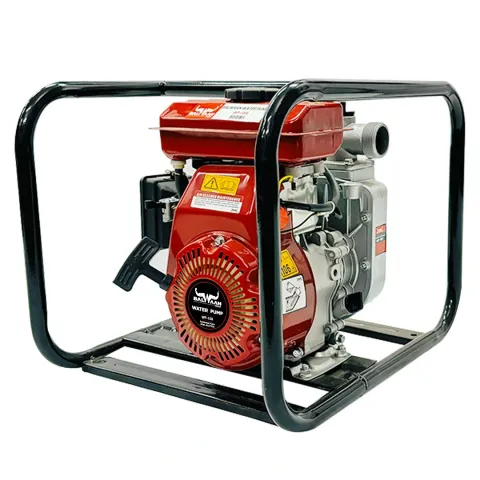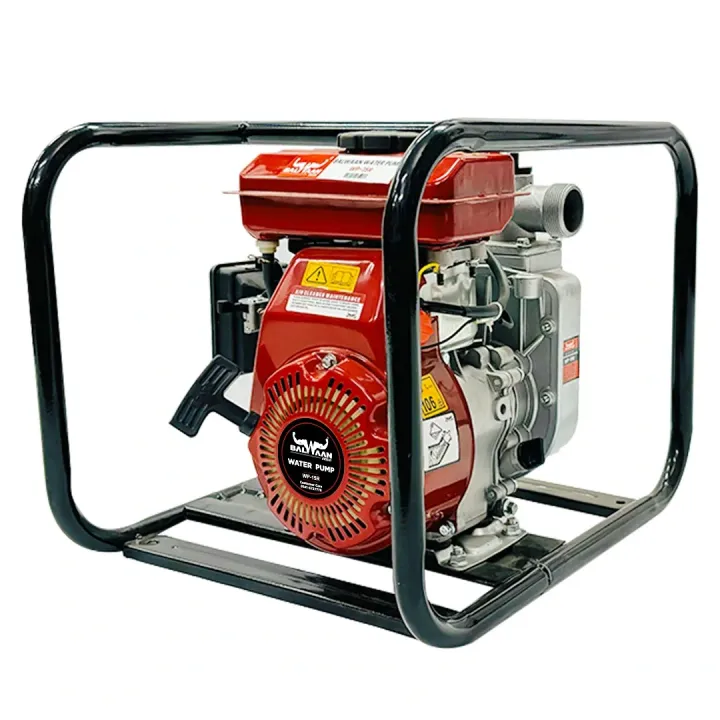
A Clear and Practical Guide to Moving Water Efficiently and Reliably
Water pumps are essential devices used to move water from one place to another. They are found in homes, farms, industries, construction sites, municipal systems, and emergency services. Whether supplying clean drinking water, irrigating crops, draining flooded areas, or circulating water in heating and cooling systems, water pumps quietly support daily life and critical infrastructure. At their core, water pumps convert mechanical or electrical energy into hydraulic energy to move water through pipes, hoses, or channels. While the concept is simple, choosing the right water pump requires understanding different pump types, operating conditions, and performance requirements. A pump that works well in one application may be inefficient or unsuitable in another. This guide explains water pumps in a clear, user-focused way. It covers benefits and limitations, types and categories, recent trends and innovations, key features to consider, leading manufacturers and information sources, how to choose the right pump, tips for best use and maintenance, common questions, and a practical conclusion.
Benefits of Water Pumps
1. Reliable Water Movement
Water pumps provide consistent and controlled water flow, enabling reliable supply for domestic, agricultural, and industrial needs.
2. Time and Labor Efficiency
Pumps replace manual methods of water transfer, saving time and reducing physical effort.
3. Support for Multiple Applications
From clean water supply to wastewater management, pumps adapt to a wide range of uses.
4. Improved System Performance
Properly selected pumps ensure steady pressure, efficient circulation, and reduced water loss.
5. Scalability
Water pumps are available in sizes ranging from small household units to large industrial systems.
6. Automation Compatibility
Many modern pumps integrate with control systems, sensors, and timers for automatic operation.
Limitations of Water Pumps
1. Energy Consumption
Water pumps require electricity, fuel, or mechanical power, contributing to operating costs.
2. Maintenance Requirements
Moving parts, seals, and bearings wear over time and need periodic maintenance.
3. Sensitivity to Water Quality
Dirty, abrasive, or corrosive water can reduce pump lifespan if not handled with suitable designs.
4. Risk of Improper Selection
Using the wrong pump type can lead to poor efficiency, frequent failures, or system damage.
5. Noise and Vibration
Some pump types generate noise or vibration, which may be unsuitable for residential settings.
Types and Categories of Water Pumps
1. Centrifugal Pumps
Centrifugal pumps use a rotating impeller to move water outward from the center.
Common uses:
• Domestic water supply
• Irrigation
• Industrial circulation
Characteristics:
• Simple design
• Best for clean or lightly contaminated water
2. Submersible Pumps
These pumps operate while fully submerged in water.
Common uses:
• Borewells
• Sumps
• Sewage systems
Characteristics:
• Efficient at pushing water upward
• Reduced risk of cavitation
3. Positive Displacement Pumps
These pumps move a fixed amount of water per cycle.
Types include:
• Piston pumps
• Diaphragm pumps
• Gear pumps
Best for:
• High-pressure applications
• Precise flow control
4. Jet Pumps
Jet pumps use suction created by a jet of water.
Common uses:
• Shallow wells
• Domestic water systems
5. Booster Pumps
Used to increase water pressure in supply systems.
Common uses:
• High-rise buildings
• Low-pressure water networks
6. Sewage and Wastewater Pumps
Designed to handle solids and contaminated water.
Common uses:
• Municipal wastewater
• Industrial waste handling
7. Solar Water Pumps
Powered by solar energy, often used in remote locations.
Common uses:
• Agricultural irrigation
• Off-grid water supply
8. Hand Pumps
Manually operated pumps used where power is unavailable.
Comparison Table: Common Water Pump Types
| Pump Type | Water Quality | Pressure Capability | Typical Use |
|---|---|---|---|
| Centrifugal | Clean to light | Medium | Homes, irrigation |
| Submersible | Clean to dirty | Medium to high | Wells, drainage |
| Positive Displacement | Clean to viscous | High | Industrial processes |
| Jet Pump | Clean | Medium | Shallow wells |
| Booster Pump | Clean | Pressure increase | Buildings |
| Sewage Pump | Dirty, solids | Medium | Wastewater |
| Solar Pump | Clean | Medium | Remote irrigation |
| Hand Pump | Clean | Low | Rural areas |
Latest Trends and Innovations in Water Pumps
1. Energy-Efficient Motors
High-efficiency motors and improved hydraulics reduce electricity consumption and operating costs.
2. Smart Pump Systems
Digital controllers, sensors, and IoT connectivity allow real-time monitoring, automatic adjustment, and fault detection.
3. Variable Frequency Drives (VFDs)
VFDs adjust motor speed based on demand, improving efficiency and reducing wear.
4. Solar-Powered Pump Growth
Solar pumps are increasingly used in agriculture and rural water supply due to falling solar panel costs.
5. Improved Materials
Corrosion-resistant alloys and advanced plastics increase durability and reduce maintenance.
6. Compact and Modular Designs
Modern pumps are smaller, lighter, and easier to install or replace.
7. Noise and Vibration Reduction
New designs focus on quieter operation, especially for residential and commercial environments.
Key Features to Consider When Evaluating a Water Pump
1. Flow Rate
Measured in liters per minute or cubic meters per hour, flow rate determines how much water the pump can move.
2. Head or Pressure
Head represents the vertical height or pressure the pump can overcome.
3. Water Source and Quality
Clean water, muddy water, or wastewater each require different pump designs.
4. Power Source
Options include electric, diesel, petrol, solar, or manual operation.
5. Pump Efficiency
Higher efficiency reduces energy consumption and long-term operating costs.
6. Material Construction
Pump body and impeller materials affect resistance to corrosion and wear.
7. Installation Conditions
Surface mounting, submersible installation, or inline placement must match site conditions.
8. Maintenance and Service Availability
Access to spare parts and service support is important for long-term reliability.
Leading Water Pump Manufacturers and Public Information Sources
The following companies are widely known for water pumps and related technologies. These links are provided for general information and technical reference, not endorsements.
| Company | Known For | Public Link |
|---|---|---|
| Grundfos | Energy-efficient pump solutions | https://www.grundfos.com |
| Xylem | Water and wastewater pumps | https://www.xylem.com |
| KSB | Industrial and utility pumps | https://www.ksb.com |
| Wilo | Building and water management pumps | https://www.wilo.com |
| Flowserve | Industrial pump systems | https://www.flowserve.com |
| Kirloskar Brothers | Agricultural and industrial pumps | https://www.kirloskarpumps.com |
| Pentair | Residential and commercial pumps | https://www.pentair.com |
How to Choose the Right Water Pump
Step 1: Define the Application
Identify whether the pump is for domestic use, agriculture, industry, drainage, or wastewater.
Step 2: Determine Flow and Head Requirements
Calculate how much water is needed and how high or far it must be pumped.
Step 3: Assess Water Source
Check water depth, cleanliness, temperature, and presence of solids.
Step 4: Select the Appropriate Pump Type
Match pump design to application requirements and water conditions.
Step 5: Consider Energy Availability
Choose electric, solar, or fuel-powered pumps based on location and reliability of power supply.
Step 6: Evaluate Efficiency and Operating Cost
Look beyond purchase price and consider long-term energy and maintenance costs.
Step 7: Check Installation and Space Constraints
Ensure sufficient space, proper foundation, and safe electrical or piping connections.
Selection Checklist for Water Pumps
[ ] Application clearly defined
[ ] Required flow rate calculated
[ ] Required head or pressure calculated
[ ] Water quality assessed
[ ] Pump type selected
[ ] Power source confirmed
[ ] Efficiency rating reviewed
[ ] Installation conditions checked
[ ] Maintenance support available
[ ] Budget aligned with performance needs
Tips for Best Use and Maintenance of Water Pumps
1. Follow Proper Installation Guidelines
Incorrect installation can cause vibration, leaks, or early failure.
2. Avoid Dry Running
Operating a pump without water can damage seals and impellers.
3. Clean Filters and Strainers Regularly
Blocked filters reduce flow and strain the motor.
4. Monitor Noise and Vibration
Unusual sounds often indicate mechanical or alignment issues.
5. Inspect Seals and Bearings
Routine inspection helps prevent leaks and sudden breakdowns.
6. Use Correct Electrical Protection
Proper wiring, grounding, and overload protection improve safety and reliability.
7. Schedule Preventive Maintenance
Regular servicing extends pump life and maintains efficiency.
FAQs About Water Pumps
1. What is the most common type of water pump?
Centrifugal pumps are the most widely used due to their simplicity and versatility.
2. Can one pump handle both clean and dirty water?
Generally no. Dirty water requires pumps specifically designed to handle solids and debris.
3. How do I know what pump size I need?
Pump size depends on required flow rate, head, and application conditions.
4. Are submersible pumps better than surface pumps?
Submersible pumps are more efficient for deep water sources, while surface pumps suit shallow sources.
5. How long do water pumps last?
With proper maintenance, many pumps operate reliably for 10–20 years or more.
6. Do water pumps consume a lot of electricity?
Energy use varies widely. Efficient pumps with proper sizing consume significantly less power.
7. Can solar pumps work during cloudy weather?
Solar pumps may produce reduced output during low sunlight but often include storage or backup options.
Conclusion: A Practical Takeaway
Water pumps are essential tools that support clean water access, agriculture, industry, and infrastructure. While the basic function of moving water is straightforward, selecting the right pump requires careful consideration of application needs, water conditions, energy availability, and long-term efficiency.
By understanding the different types of water pumps, their benefits and limitations, key features, and best-use practices outlined in this guide, users can make informed decisions that improve reliability and reduce operating costs. When chosen correctly and maintained properly, a water pump becomes a dependable part of any water management system, supporting daily needs and long-term sustainability.