A Clear and Practical Guide to Ultra-Low Temperature Storage
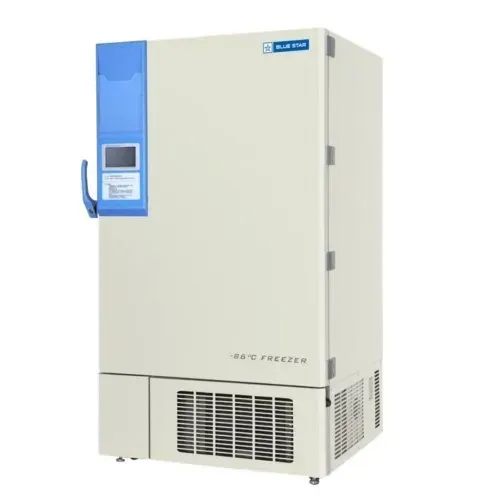
A -80 °C freezer, often called an ultra-low temperature (ULT) freezer, is a specialized piece of laboratory equipment designed to store materials at extremely low temperatures. These freezers are commonly used in research laboratories, hospitals, pharmaceutical facilities, biotechnology companies, and academic institutions. At temperatures as low as -80 °C, biological and chemical samples can be preserved for long periods with minimal degradation. This level of cold storage is critical for maintaining the integrity of sensitive materials such as DNA, RNA, proteins, vaccines, enzymes, cell cultures, and clinical samples. Without reliable ultra-low temperature storage, many scientific and medical processes would not be possible. As research, diagnostics, and biobanking continue to expand globally, -80 °C freezers have become essential infrastructure rather than optional equipment. This guide explains what -80 °C freezers are, how they work, their benefits and limitations, available types, current innovations, key features, selection guidance, maintenance tips, and practical considerations for users.
Benefits of -80 °C Freezers
1. Long-Term Sample Preservation
Ultra-low temperatures slow down chemical and biological reactions, allowing samples to be stored for months or years with minimal degradation.
2. Sample Integrity and Reliability
Maintaining stable -80 °C conditions helps preserve molecular structure, ensuring reliable research and diagnostic results.
3. Support for Critical Research
Fields such as genomics, virology, oncology, and vaccine development rely heavily on -80 °C storage.
4. Reduced Risk of Contamination
Lower temperatures reduce microbial activity, lowering the risk of sample contamination.
5. Compliance with Research Standards
Many protocols and regulatory guidelines require samples to be stored at -80 °C.
6. Centralized Storage
Large-capacity freezers allow organizations to consolidate valuable samples in controlled environments.
Limitations of -80 °C Freezers
1. High Energy Consumption
Maintaining ultra-low temperatures requires significant electricity, contributing to operating costs.
2. Initial Purchase Cost
ULT freezers are more expensive than standard laboratory freezers.
3. Space and Infrastructure Needs
These units are large, heavy, and may require reinforced floors and adequate ventilation.
4. Heat Output
ULT freezers generate heat, which can affect room temperature if not properly managed.
5. Maintenance Requirements
Compressors, seals, and control systems need regular monitoring and servicing.
Types and Categories of -80 °C Freezers
1. Upright -80 °C Freezers
These freezers resemble tall cabinets with front-opening doors.
Common uses:
• Laboratories with limited floor space
• High-sample-volume storage
Advantages:
• Easy organization
• Smaller footprint
2. Chest -80 °C Freezers
Open from the top and resemble large storage chests.
Common uses:
• Long-term sample storage
• Facilities prioritizing temperature stability
Advantages:
• Better cold retention
• Lower energy loss during access
3. Single-Stage ULT Freezers
Use a simpler cooling system.
Characteristics:
• Suitable for lighter use
• Often lower initial cost
4. Cascade Refrigeration Freezers
Use multiple compressors and refrigerants to reach ultra-low temperatures.
Characteristics:
• Higher performance
• More common in research and clinical settings
5. Energy-Efficient or Green ULT Freezers
Designed to reduce power consumption and environmental impact.
6. Portable or Compact ULT Freezers
Smaller units for limited spaces or specialized applications.
Comparison Table: Common -80 °C Freezer Types
| Freezer Type | Storage Style | Energy Efficiency | Typical Use |
|---|---|---|---|
| Upright | Shelved, vertical | Medium | Active laboratories |
| Chest | Top-opening | High | Long-term storage |
| Single-Stage | Simplified system | Medium | Low to moderate use |
| Cascade | Multi-stage system | Medium to high | Research and clinical labs |
| Energy-Efficient | Optimized design | High | Sustainability-focused labs |
| Compact | Small footprint | Medium | Limited-space environments |
Latest Trends and Innovations in -80 °C Freezers
1. Energy Efficiency Improvements
Modern ULT freezers use advanced insulation, variable-speed compressors, and optimized airflow to reduce power consumption.
2. Natural and Low-GWP Refrigerants
Manufacturers are moving away from high global warming potential refrigerants toward more environmentally friendly alternatives.
3. Smart Monitoring and Connectivity
Digital systems allow remote temperature monitoring, alerts, and data logging through network connections.
4. Improved Temperature Uniformity
Enhanced airflow and sensor placement help maintain consistent temperatures throughout the storage chamber.
5. Reduced Noise and Heat Output
New designs focus on quieter operation and lower heat emission to improve lab environments.
6. Modular Storage Systems
Adjustable racks and drawers improve organization and reduce door-open time.
7. Backup and Redundancy Systems
Some models include dual compressors or backup cooling to protect samples during component failure.
Key Features to Consider When Evaluating a -80 °C Freezer
1. Temperature Stability
Consistent temperature maintenance is critical for sample preservation.
2. Capacity and Storage Layout
Consider total volume, number of shelves, drawers, and sample box compatibility.
3. Energy Consumption
Check energy usage ratings to estimate long-term operating costs.
4. Alarm and Monitoring Systems
Visual, audible, and remote alarms protect samples from temperature excursions.
5. Backup Systems
Battery backup for alarms and optional emergency cooling features add protection.
6. Insulation Quality
Better insulation improves efficiency and temperature recovery.
7. Footprint and Weight
Ensure the freezer fits available space and floor load limits.
8. Service and Support Availability
Reliable service support is essential due to the critical nature of stored samples.
Leading Manufacturers and Public Information Sources
The following organizations are widely known for ultra-low temperature freezers and laboratory cold storage solutions. These links are provided for general information and technical reference, not endorsements.
| Company | Known For | Public Link |
|---|---|---|
| Thermo Fisher Scientific | ULT freezers and lab equipment | https://www.thermofisher.com |
| Eppendorf | Laboratory cold storage solutions | https://www.eppendorf.com |
| PHCbi (formerly Panasonic Healthcare) | Ultra-low temperature freezers | https://www.phchd.com |
| Haier Biomedical | Biobank and ULT storage | https://www.haierbiomedical.com |
| Binder | Laboratory environmental chambers | https://www.binder-world.com |
| NuAire | Laboratory equipment and freezers | https://www.nuaire.com |
| Arctiko | Ultra-low temperature freezers | https://www.arctiko.com |
How to Choose the Right -80 °C Freezer
Step 1: Define Storage Needs
Estimate the number of samples, box sizes, and growth expectations.
Step 2: Determine Usage Frequency
Frequent access favors upright models with good temperature recovery.
Step 3: Assess Energy and Operating Costs
Calculate long-term electricity costs, not just purchase price.
Step 4: Evaluate Infrastructure Requirements
Confirm power supply, ventilation, room size, and heat management.
Step 5: Review Alarm and Safety Features
Reliable alerts are essential for protecting valuable samples.
Step 6: Consider Redundancy and Backup Options
Critical samples may require additional protection.
Step 7: Check Service Coverage and Warranty
Fast service response reduces risk during equipment failure.
Selection Checklist for -80 °C Freezers
[ ] Required storage volume calculated
[ ] Sample types and temperature needs confirmed
[ ] Freezer type selected (upright or chest)
[ ] Energy consumption reviewed
[ ] Alarm and monitoring systems verified
[ ] Backup power or cooling considered
[ ] Space and floor capacity checked
[ ] Noise and heat output evaluated
[ ] Service and maintenance support available
[ ] Budget aligned with long-term needs
Tips for Best Use and Maintenance of -80 °C Freezers
1. Organize Samples Clearly
Proper labeling and layout reduce door-open time.
2. Minimize Door Openings
Frequent or long openings cause temperature fluctuations and energy loss.
3. Monitor Temperature Regularly
Review logs and alarms to catch issues early.
4. Perform Routine Maintenance
Clean filters, inspect seals, and follow service schedules.
5. Avoid Overloading
Proper airflow is essential for uniform cooling.
6. Prepare for Power Outages
Backup power systems or contingency plans protect samples.
7. Train Staff Properly
Correct usage reduces accidental temperature excursions.
FAQs About -80 °C Freezers
1. What is stored in a -80 °C freezer?
Biological samples such as DNA, RNA, proteins, tissues, vaccines, and clinical specimens.
2. How long can samples be stored at -80 °C?
Many samples can be stored for years, depending on material and protocols.
3. Is a -80 °C freezer the same as a -20 °C freezer?
No. -80 °C freezers provide much lower temperatures and longer-term preservation.
4. Do -80 °C freezers require special rooms?
They may require adequate ventilation, stable power, and sufficient space.
5. How much electricity does a -80 °C freezer use?
Usage varies, but they consume more power than standard freezers.
6. What happens if the freezer fails?
Alarm systems alert staff, allowing samples to be transferred or backup measures activated.
7. Can a -80 °C freezer be used in hospitals?
Yes. They are commonly used in clinical labs, biobanks, and research hospitals.
Conclusion: A Practical Takeaway
-80 °C freezers are essential tools for modern science, healthcare, and biotechnology. They enable long-term preservation of sensitive materials that support research, diagnostics, and medical advancements. While they involve higher costs, energy use, and maintenance compared to standard freezers, their role in protecting valuable samples makes them indispensable in many settings.
By understanding the types of -80 °C freezers, their benefits and limitations, key features, and best-use practices outlined in this guide, organizations and users can make informed decisions that balance performance, reliability, and long-term value. With careful selection and proper management, a -80 °C freezer becomes a dependable foundation for critical scientific and medical work.